

Amazon Handmade is a curated marketplace (launched in 2015) for handcrafted goods, where approved artisans and cooperatives can offer unique products to a massive audience. By joining Amazon’s artisan platform, you can get access to Amazon’s 310+ million active shoppers worldwide and gain access to its trusted fulfillment and marketing tools.
The global market for handmade goods is booming and one report valued the handicrafts market at USD 680 billion in 2021, with expectations to reach over USD 1.25 trillion by 2027. This explosive growth means demand for quality handcrafted products is rising.
Why Amazon Handmade?
The platform offers several advantages over selling elsewhere:
1. Huge customer reach
Amazon is the world’s largest online retailer, so placing your handcrafted items on Amazon Handmade exposes them to hundreds of millions of buyers. Many customers are already searching on Amazon for gifts and unique finds, so your products can get discovery alongside mainstream offers.
2. No listing or subscription fees
Amazon waives the usual $39.99/month Professional account fee for approved Handmade sellers (beyond the first paid month). You also pay no listing fees – only a 15% referral fee on each sale (with a $1 minimum).
3. Prime eligibility and fulfillment
You can use Fulfillment by Amazon (FBA) to make your items Prime-eligible, gaining customer trust and fast shipping. Amazon handles packing, shipping and customer service for FBA orders. Even if you fulfill orders yourself (FBM/Seller-Fulfilled Prime), you can earn the Prime badge once you meet Amazon’s performance standards.
4. Artisan-specific features
Amazon Handmade provides a custom Maker Profile where you tell your story and highlight your craftsmanship. You can build an emotional connection by sharing your inspiration, process, and photos of your workshop. Customers feel more confident buying “handmade” when they see the real person behind the product.
5. Integrated tools and traffic
You benefit from Amazon’s search, advertising (Sponsored Products), and brand analytics tools. You can run keyword-targeted ads and use Amazon’s Revenue Calculator or third-party tools (like AMZScout, Helium10, etc.) to find profitable products and keywords.
However, keep in mind some challenges: Amazon’s referral fee (15%) is higher than platforms like Etsy (6.5%). Competition is fierce (millions of third-party sellers on Amazon), and you have less control over storefront design compared to a standalone site.
Amazon also actively vets products: mass-produced or resold items are not allowed on Handmade, and you must make the products yourself (or with a small team/cooperative).
If you break Amazon’s Handmade rules (for example, selling machine-made factory items or outsourcing production), you risk suspension. But for genuine makers, the benefits of Amazon’s audience and infrastructure often outweigh these trade-offs.
Amazon Handmade vs. Other Marketplaces
It’s helpful to compare Amazon Handmade with alternatives like Etsy or selling on Amazon’s main marketplace. Both Etsy and Amazon Handmade target craft buyers, but with different models.
Fees: On Amazon Handmade, you pay $0 listing fees and a 15% referral fee. Etsy charges $0.20 per listing (every four months) plus 6.5% transaction + 3%+25¢ processing. Amazon requires a $39.99 Professional plan (waived after approval), whereas Etsy has no mandatory subscription (optional $10/mo for Etsy Plus).
Audience: Etsy shoppers often specifically seek handmade or vintage goods, whereas Amazon shoppers may be browsing general Amazon categories. Amazon’s traffic is much larger overall, so you may get more eyes on your products (but competition is also higher).
Fulfillment & Services: Amazon offers FBA warehousing, free Prime shipping options, and extensive seller support (chat/email/phone). Etsy provides seller-friendly tools but no built-in fulfillment service.
PPC & SEO: Amazon’s marketplace is driven by keyword search and ranking algorithms (with PPC advertising options). Etsy has a different search algorithm and off-site ad model. If you’re comfortable optimizing product listings and running Amazon ads, Handmade can tap Amazon’s huge internal traffic.
Branding: Etsy allows more branding customization (store banners, personalized shop URL) via its paid plans. Amazon Handmade limits design mostly to your Maker Profile and cover image, but listings appear within Amazon’s branded interface.
Amazon Handmade’s no listing fees and waivable subscription can offset its higher percentage fee, especially for high-volume sellers.
Ultimately, many sellers use both platforms: list your top unique items on Handmade/Prime for exposure and still maintain an Etsy or independent shop for branding flexibility.
Requirements and Application
Amazon Handmade is exclusively for genuine creators. Eligible sellers are individual makers, small businesses (typically ≤20 employees), or artisan collectives/nonprofits that design and produce the products themselves.
You cannot buy finished products and resell them, or outsource mass production to a factory. At application time, you’ll declare how you make your items (by hand, hand-altered, repurposed, or upcycled) and Amazon may ask for photos of your workspace and process to verify authenticity.
Amazon’s guidelines specify allowed product types:
- Hand-altered: modifying a premade item (e.g. printing your design on a mug).
- Hand-designed: creating original designs or prints.
- Handcrafted: making from raw materials (e.g. carving wood or sewing fabric).
- Repurposed/Upcycled: transforming used items into something new (e.g. vintage fabric tote).
Products not allowed include drop-shipped, factory-made, digital downloads, electronics, raw materials (unless part of a kit), or live plants (aside from air plants in craft planters). Essentially, Amazon wants a handmade feel – this strict curation helps build buyer trust.
Step-by-Step To Setup Account and Shop
1. Open a Professional Selling Account
Signup for Amazon Seller Central (or sign in) and ensure you’re on a Professional selling plan. (If you only have an Individual account, simply upgrade to Professional in Seller Central. Note that the $39.99 monthly fee will be charged for the first month, but once approved for Handmade, Amazon will waive the fee for future.

2. Apply to Handmade
In Seller Central, go to “Programs” and select Amazon Handmade. You’ll fill out an application with your business details, product categories, and processes. Be thorough: provide clear descriptions and especially clear photos. Amazon typically asks for detailed photos of you making your items and of your tools/workspace to confirm you’re the artisan.

3. Submit and Get Approved
After submitting, Amazon will review your application (usually in 1-2 weeks). Make sure your application is complete, vague or low-quality photos can slow approval. Many sellers report hearing back within two weeks if their crafts meet the criteria.
Once approved, you’ll see an “Amazon Handmade” section in your Seller Central account (under Account Info > Your Services). You can then begin adding products to the Handmade store by tagging them with the Handmade attributes.
If you already sell on Etsy or Amazon, you can link your existing inventory. Amazon allows you to transfer product details from Etsy or convert your Amazon inventory to Handmade listings. This can save time by importing titles, descriptions, and photos, but be sure to check that each listing complies with Handmade rules.
4. Creating Your Artisan Profile
Once approved, you’ll have a Maker Profile page (basically your storefront homepage) where you can tell your story. Amazon emphasizes personal stories: use this real estate well. Include:
- Profile Picture: A friendly, high-quality photo of you (or your team) is recommended. Shops with a person in the photo often feel more trustworthy.
- Short Bio/Story: Write in a personable tone about why you make your craft, what inspires you, and what materials or techniques you use. This authenticity can build a connection with shoppers.
- Cover Image: Choose an attractive banner (Amazon suggests ~1200×350 px) that visually represents your brand – perhaps a shot of your best-selling product or your workspace. Avoid overly generic stock photos; show real scenes if possible.
- Featured Products: You can pin a few key products to highlight on your profile. Use this to showcase bestsellers or seasonal items.
In summary, your Artisan Profile is where customers meet you and your brand. Be genuine: share your creative process and values so buyers feel confident in the uniqueness of your handmade goods.
5. Shop Policies and Details
This section outlines the core settings you must configure before your Handmade shop becomes operational.
Shop URL
After approval, Amazon will often auto-generate a custom URL like amazon.com/handmade/yourstorename. You can sometimes edit the final part in your Seller Central under Storefront settings.
Shipping Settings
Set up your shipping regions and times. Offer standard shipping rates and use expedited where appropriate. If you plan to FBA, Amazon will handle the shipping speeds and settings for you.
Return Policy
Handmade sellers must honor Amazon’s standard return window (generally 30 days) or longer. Check Amazon’s policy for Handmade, but a typical approach is a 30-day return on defective or damaged items. Mention your return policy clearly in your listings to reassure buyers. With FBA, Amazon will set the return policy and handle all of the returns.
Developing Product Detail Page
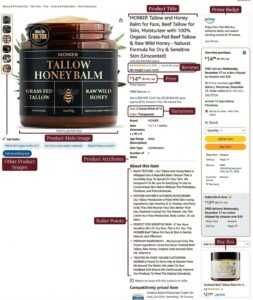
Product detail page or listing is the landing page where all of the product information as well images & videos exist. Optimizing your product listings is important for ranking and sales. Below is the example showing an optimized Amazon handmade product detail page designed to achieve stronger CTR and higher conversion rates required for brand growth.
1. Listing Your Product
To create a product listing on Amazon, you need to go through the product listing creation process in Amazon Seller Central. We have covered a detailed guide on how to create your product listing in this article on: how to create product detail page of Amazon listing.
Handmade products differ from regular, non-handmade listings on Amazon in two key areas, as described below.
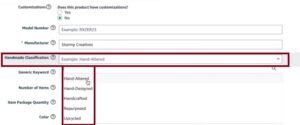
Handmade Classification
When creating a product, add the Handmade Classification attribute. You’ll choose whether your item is Handcrafted, Hand-Designed, Repurposed, etc. This tag ensures your item appears in the Handmade store and qualifies for the referral fee waiver. Also once entred it cannot be changed so entre in right the first time.
Product ID
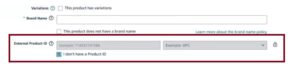
Amazon typically requires a product identifier (UPC/EAN). If your handcrafted item doesn’t have one, you can request a Product ID exemption during listing creation. This exemption is common for handmade goods made in small batches.
How to Optimize Listing for SEO
To get traffic on Amazon, you need to use the right data and follow strict formatting rules. Here is how to set up your listing so the algorithm ranks it and customers buy it.
1. Amazon Keyword Research
Keyword research is the backbone of Amazon listing. Use a tool like Helium 10 or Jungle Scout to find the exact phrases and search volumes for your niche. This data tells you strictly what words must go into your title and backend to get found. If you don’t research, you are listing in the dark.
2. Product Title
Front-load your most important keywords because mobile users only see the first 70 characters. The algorithm places the most weight on the beginning of the sentence. Keep it readable but include the material, product type, and key benefit.
3. Bullet Points & Description
Shoppers skim, so make your bullets punchy. Focus on dimensions, materials, and care instructions. Use the description paragraph to briefly explain your crafting process.
Example Bullet: Hypoallergenic Material: Hand-forged from solid 925 sterling silver, these ear wires are nickel-free and safe for sensitive ears to wear all day.
4. Product Images
Your Main Image determines if someone clicks or scrolls past. It must be on a pure white background and the product must fill 85% of the frame. If you use a prop or a colored background for the main photo, Amazon will suppress your listing. Save the lifestyle shots and size-reference photos for your secondary image slots.
5. A+ Content
Standard descriptions are boring and text-heavy. Use A+ Content to replace the text block with images and comparison charts. This visual approach keeps people on the page longer and drastically increases conversion rates by answering questions visually.

6. Amazon Brand Story
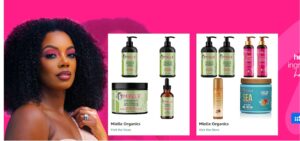
This module sits above your A+ Content and is vital for Handmade sellers. Use this section to show pictures of your hands working, your workshop, or your origin story. Shoppers pay a premium for “Handmade” because they want a connection to the maker; this is where you build that trust.
7. Backend Optimization
This is the invisible section that powers the sidebar filters. Fill out every single “Attribute” field (color, material, occasion). For the “Search Terms” (generic keywords) field, you have 500 bytes. Fill it completely with synonyms, misspellings, and Spanish variations. Do not repeat words found in your title; Amazon only needs to see a keyword once to index it.

Customization & Tags
If you offer personalization, enable the official Customization fields so buyers can type names or select colors from a drop-down menu directly on the page. Finally, tag your listing with relevant Occasions (like Wedding or Mother’s Day) to ensure your product shows up when Amazon creates seasonal gift guides.
Fulfillment & Shipping
How you deliver orders has a big impact on customer satisfaction and sales. Handmade sellers have two main paths:
1. Fulfillment by Amazon (FBA)
Ship your products in bulk to Amazon’s warehouses. Amazon then handles packing, shipping (free 2-day Prime), returns, and customer service. FBA grants the Prime badge (which can dramatically increase buy-box chance).
It’s ideal if you have non-custom, stock items that sell reliably. However, handmade-custom items cannot use FBA – any personalized product must be seller-fulfilled. FBA also incurs storage and fulfillment fees, so account for those in your costs. Amazon’s blog notes that “FBA allows you to outsource packing, shipping, and returns” to simplify logistics.
2. Fulfilled by Merchant (FBM)
You handle packaging and shipping orders yourself. This gives you full control – necessary for made-to-order, personalized items. FBM can limit your reach (no Prime badge unless you qualify for Seller-Fulfilled Prime (SFP)).
To qualify for SFP, you must meet Amazon’s strict shipping performance (on-time, fast delivery) and complete a trial period. If you earn SFP, your eligible FBM orders get the Prime badge. Even without SFP, offering free or fast shipping can improve your conversions.
For FBM, invest in sturdy, attractive packaging (tissue paper, branded tape, thank-you card) – good presentation encourages positive reviews.
Research shipping costs (weight and dimensions affect price) and factor these into either the product price or a separate shipping charge. Use Amazon’s integrated shipping carriers (like UPS, USPS discounted labels) to save on postage.
For FBA, set up an Amazon shipping plan: print box labels, send inventory to the designated fulfillment center. Amazon will then automatically fulfill these orders. Monitor your Inventory Performance and restock in time; Amazon penalizes long-term storage, so only send what you can sell within 6-12 months.
Pricing, Fees, and Profitability
Selling on Amazon requires understanding the fees to protect your profit. Fees differ depending on whether you fulfill orders yourself (FBM) or use Fulfillment by Amazon (FBA). F
BM sellers pay monthly account ($39.99) and the referral fee, while FBA sellers pay monthly account fee ($39.99), referral, fulfillment, and storage fees. Both FBA and FBM sellers on a Professional account also pay a monthly subscription fee of $39.99. Handmade sellers are exempt from this fee.
Here is the overview of Amazon FBA fee.
- Referral Fee: A percentage of the sale price (including shipping). For Handmade and most categories, 15% per item. Minimum $1 per order.
- FBA Fulfillment Fee: Charged per unit based on size tier and weight. Small standard items (under 12 oz) are around $3–$4, larger or heavier items can be $5–$15+.
- FBA Storage Fee: Monthly storage fee based on cubic feet. Long-term storage fees apply for inventory stored beyond 181 days.
- Monthly Professional Account Fee: $39.99 for FBA or FBM sellers. Handmade sellers do not pay this fee.
- Handmade Seller Waivers: No listing fees, and only referral fee applies if self-fulfilled.
Let’s understand the Amazon fee with a simple example.
- Product price: $25
- Packaged size tier: Small standard
- Shipping weight: 10 oz
- Cost of Goods: $7.50
Amazon Fee Breakdown:
- Referral fee: 15% × $25 = $3.75
- FBA fulfillment fee (small standard, 10 oz): $3.43
- Monthly storage (approximate, small unit): $0.02
- Total fees: $3.75 + $3.43 + $0.02 = $7.20
Profit Calculation:
- Sale price: $25
- Minus total fees: −$7.20
- Minus production cost: −$7.50
- Net profit: $25 − $7.20 − $7.50 = $10.30
When pricing your products, ensure the price covers production, Amazon fees, and leaves a margin that justifies your effort.
Use the Amazon Revenue Calculator to confirm net profit for your specific size and weight tier. Benchmark competitor pricing, but prioritize your product’s perceived value to justify your price.
Handmade sellers benefit from waived subscription fees and no listing charges, making it easier to maintain higher margins when self-fulfilling orders.
Marketing and Growth Strategies
Even with great listings, you’ll need proactive marketing to stand out. Here are some tactics to boost traffic and sales:
Amazon Ads
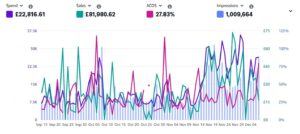
You need a proper ads strategy to succeed on Amazon. Use Sponsored Products to bid on relevant keywords (e.g. “handmade jewelry gift”). Start with a small budget to test which keywords convert. Well-targeted ads can drive your products to the top of search results, especially useful for new shops. Run Sponsored Brands ads for the brand awarness with compeling videos, banners and headlines. Retarget the customers through Sponsored Display Views Remarketing campaigns who viewed your products but did not buy.
Amazon SEO
Continuously optimize your listings front end and backend with highly-relevant keywords (use tools like Amazon Brand Analytics or Helium10). Make sure your titles, bullet points, and backend search terms all include what shoppers are typing. Keep an eye on your competitor offer, price, images, keywords.
Promotions & Deals
Consider coupons or time-limited deals during busy shopping seasons (holidays, Prime Day). Even a small discount or “10% off for subscribers” can trigger more purchases. Amazon Lightning Deals require applying, but can give a big sales spike.
Managing Growth and Inventory
This stage focuses on maintaining control as your sales increase. Make sure you can meet demand as repeatedly going out of stock, kills your Amazon business.
Inventory Management
Track which items sell fastest. For top-selling products, keep extra stock ready (especially if using FBA; use Amazon’s restock tool alerts). For slow-movers, consider adjusting price or discontinuing. Avoid long-term FBA storage fees by rotating stock or requesting returns of stranded inventory.
Increase Product Portfolio
Over time, expand your line based on demand. For example, if a particular design in jewelry sells well, create matching items (earrings or bracelets). Use Amazon Top Search Terms data in brand analytics or tools like Jungle Scout to spot trending niches (e.g., pet accessories, home decor, etc.). Regularly update or add designs so your shop stays fresh.
Check Analytics
Check Amazon’s “Business Reports” (under Seller Central) to see which keywords customers searched to find your products, and which products have the best conversion rate. Double down on high-traffic items and keywords that convert to sales.
4. Invest in Amazon Advertising
Most brands list their products and hope sales appear on their own. That approach stalls growth. Amazon PPC is the fastest way to drive organic and scale revenue because it puts your products in front of buyers already searching for what you sell.
Track mertics like ACOS and TACoS. ACOS measures advertising cost against ad-attributed sales; lower ACOS means your ads are spending efficiently. TACoS measures ad spend against total revenue; stable or falling TACoS shows your ads are supporting organic growth rather than replacing it.
Start with controlled budgets, track these two metrics, and push spend only where the data proves demand. Use automatic campaigns for discovery, manual campaigns for precision, and isolate high-performing keywords to maintain clean control over spend and ranking momentum.
A Few Common Questions About Amazon Handmade
Jumping onto a new platform like Amazon Handmade always brings up a few questions. It’s totally normal. Let’s clear up some of the most common things makers wonder about before they dive in.
Do I Really Need a Professional Seller Account?
Yes, you do, but here’s the best part: Amazon waives the monthly Professional selling plan fee for all approved Handmade artisans. That fee is currently $39.99 a month, so it’s a huge perk.
You’ll still have the standard 15% referral fee on each sale, but you get all the features of a professional account without that recurring monthly bill. It’s one of the biggest reasons getting started on Handmade is so much more accessible for small creative businesses.
Can I Sell Things That Aren’t 100% Made by Me?
This is a hard no, and Amazon is very strict about it. The whole point of the Handmade marketplace is authenticity. Your products must be made entirely by you or your small team.
And by small team, they mean a company of no more than 20 people.
You can’t list items made by another artist, send your designs to a factory for mass production, or sell commercially made goods. This rule is what keeps Handmade special and gives customers confidence they’re buying something genuinely crafted by an artisan.
How Long Does the Application Usually Take?
The timeline can vary. Most makers I’ve talked to hear back from Amazon within one to two weeks. Sometimes it’s quicker, and other times it might drag on a bit, especially if they’re swamped with applications during the holidays.
Want to speed things up? Make your application crystal clear. Provide sharp, high-quality photos of you making your products, your workspace, and a really good description of your craft. A sloppy or incomplete application is the number one reason for delays, so giving the review team everything they need upfront is your best bet for a quick approval.