
Trending Stuffed Animal Products Market Analysis 2026
This report examines the global market and the product trends behind it, with Amazon US as the primary marketplace for the individual product analysis.
Executive Summary
Stuffed animals in 2026 reach a much wider audience than the traditional children’s toy aisle. A shopper might buy a realistic puppy as a gift, a weighted sloth for comfort, a miniature animal to hang from a bag, or a licensed character to add to a collection. Each purchase serves a different purpose, and the products compete on different features.
The market includes familiar designs such as teddy bears and bunnies alongside capybaras, Highland cows, animal pillows, interactive plush, and collectible characters. Some products benefit from year-round gifting, while others depend on a holiday, a graduation season, or a burst of attention online.
Global market estimate
Grand View Research’s estimate of the global stuffed animals and plush toys market in 2026. This is an industry estimate, not a record of completed sales.
Growth in toy sales for adults
Increase in US toy sales for adult recipients aged 18 and older during the first half of 2026, compared with the same period in 2025. This figure covers toys broadly, not plush alone.
Licensed share of toy sales
The share of US toy sales attributed to licensed products in the first half of 2026, across the wider toy market.
Global Stuffed Animal and Plush Toy Market Overview
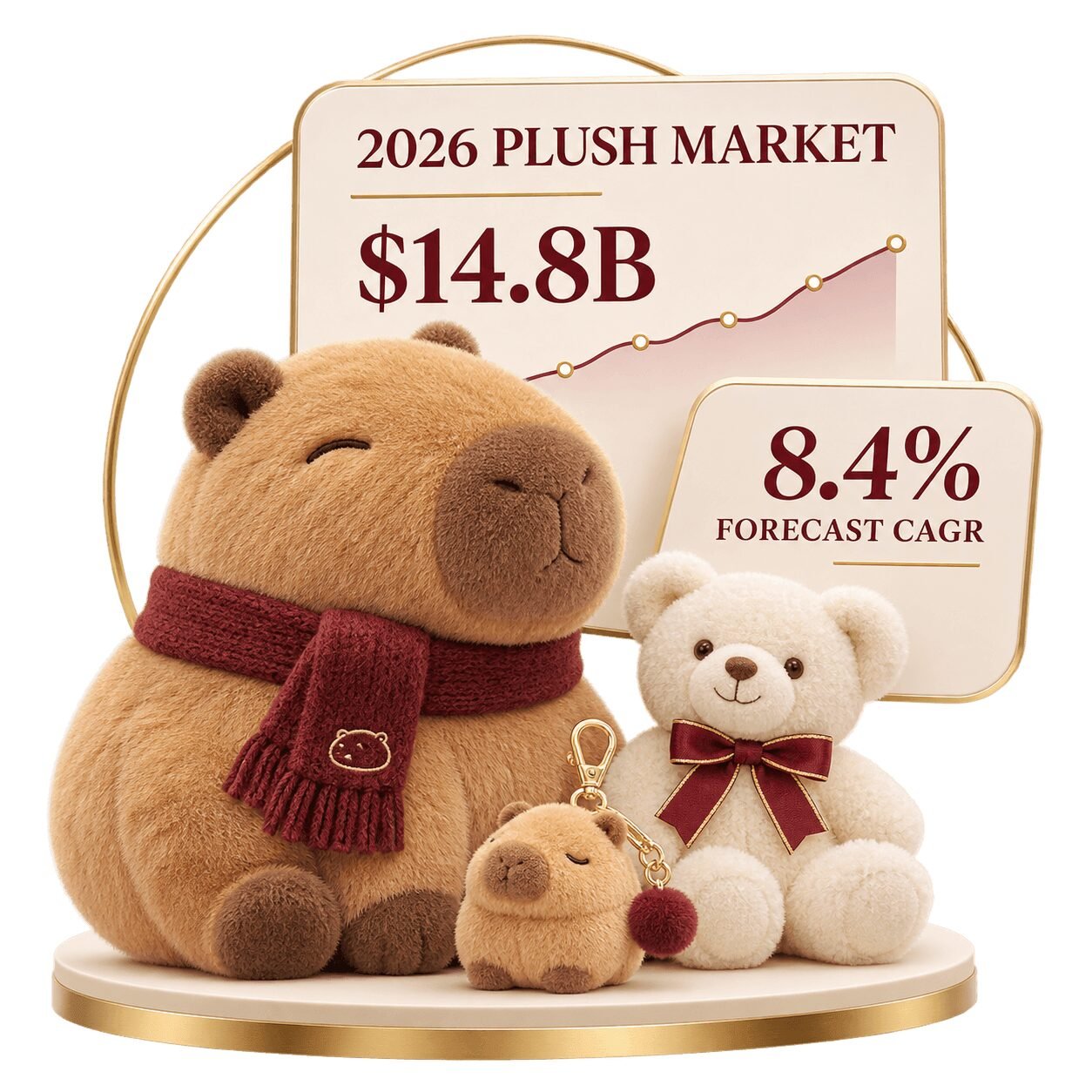
The global stuffed animal and plush toy market is estimated at $14.8 billion in 2026, with sales spanning traditional stuffed animals, character-based toys, collectibles, and other plush products.
Estimated value of the global stuffed animal and plush toy market.
The long-term direction
Global market estimates and forecast, US dollars
2026 and 2033 are estimates or forecasts. Grand View Research
The market is spread across North America, Asia-Pacific, Europe, and other regions. In Grand View Research’s model, North America was the largest region in 2025, while Asia-Pacific is projected to grow faster through 2033.
| Market | 2025 | 2026 estimate | 2033 forecast |
|---|---|---|---|
| North America | $5.08B | $5.42B | $8.69B |
| Asia-Pacific | $4.34B | $4.75B | $9.12B |
| Europe | $2.81B | $3.05B | $5.57B |
| United States | $3.87B | $4.11B | $6.46B |
Estimates cover the wider stuffed animal and plush toy market. The United States is included within North America. Sources: North America, Asia-Pacific, Europe and United States.
Who Is Buying Stuffed Animals in 2026?
The person buying a stuffed animal is not always the person who will use it. A parent may be shopping for a young child, a friend may be choosing a graduation gift, and an adult collector may be looking for the next character in a series.
Children and families
In Circana’s 2025 global toy research, children under 10 represented 67% of toy sales. This covers the wider toy market, not stuffed animals alone. Source ↗ For stuffed animals, the purchase may be made by a parent, grandparent, relative, or family friend. Depending on the child’s age and interests, the shopper may be looking for a familiar animal to cuddle, a favorite character, or a plush set that can be used in pretend play.
Teens and young adults
For some teens and young adults, a plush product can be both a toy and a personal accessory. A small animal clipped to a backpack, a character displayed on a shelf, or an unusual design shared online can reflect the owner’s interests and style.
Adults buying for themselves
Adults may purchase plush products for comfort, decoration, nostalgia, collecting, or simply because they like a particular animal or design.
Gift buyers and collectors
A gift buyer may focus on the animal, occasion, and presentation. Collectors may purchase plush products to complete a series, display a favorite character, or add a particular animal or design to an existing collection.
Plush appeals across generations
Share of surveyed shoppers likely to buy plush in the next 12 months.
2026 Gift Book Consumer Survey. These are purchase intentions among survey respondents. Read the survey findings
The Major Stuffed Animal Trends in 2026
The plush market is moving in several directions at once. Some products are becoming smaller and more collectible, while others are getting larger and taking the form of pillows.
Collectible Plush and Character-Based Products
A stuffed animal can be part of a larger collection rather than a one-time purchase. In this format, the character, its expression, and its place within a series can matter as much as the animal or material.
Mini Plush, Keychains, and Bag Charms
Some of the most visible plush formats are small enough to carry rather than keep on a bed or shelf. Mini animals, plush keychains, and clip-on characters turn a stuffed toy into a backpack or handbag accessory.
Unusual Animals and Playful Designs
Bears and bunnies remain familiar choices, but 2026 product ranges also feature capybaras, Highland cows, axolotls, seals, and other animals with distinctive appearances. Some designs aim to resemble the animal. Others give it an exaggerated shape, a costume, or a food-inspired theme.
Weighted and Heatable Stuffed Animals
Weighted plush products add extra weight to the body or insert, creating a different feel from a standard soft toy. Heatable plush products add another feature: a component designed to be warmed according to the manufacturer’s instructions. Some products combine both features, but weighted and heatable do not mean the same thing.
Realistic Pet and Animal Plush
Not every buyer is looking for a cartoon-style character. Realistic plush products appeal through features that make the animal recognizable, such as the shape of the ears, coat color, markings, or body position. Pet-inspired plush can be designed around a general animal, such as a cat or dog, or a specific breed.
Oversized Plush and Animal Pillows
Large stuffed animals compete partly through their physical presence. They can be chosen as a major gift, a bedroom item, or a large animal-shaped pillow.
Interactive Plush Products
Interactive stuffed animals add a function such as sound, movement, or a response to the user. These products can appeal to buyers looking for more play features than a conventional plush provides.
Personalized and Occasion-Based Plush
Personalization allows the buyer to connect a plush product to a person or occasion. Options can include a name, outfit, accessory, message, or a choice of animal.
Trending Stuffed Animal Products in 2026
A stuffed animal can succeed for different reasons. A realistic puppy may appeal to someone shopping for a dog lover. A weighted sloth offers a different feel from a traditional plush. A miniature bunny with a clip is designed to be carried on a bag.
Capybara plush
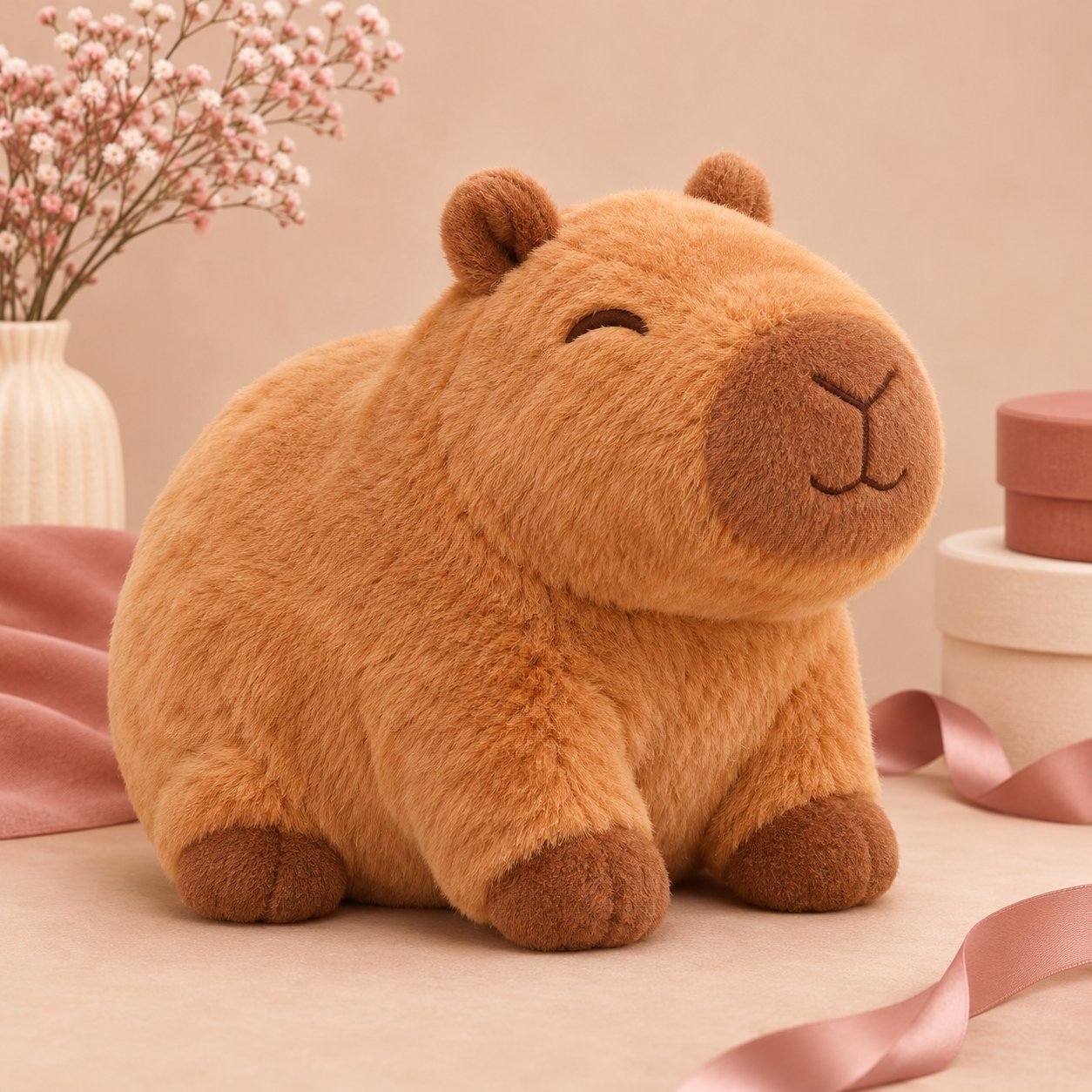
The capybara has become a familiar animal in the plush aisle, appearing as everything from a simple round pillow to a dressed-up character. Its design can be adapted for birthdays, graduation gifts, or everyday play.
Highland cow plush
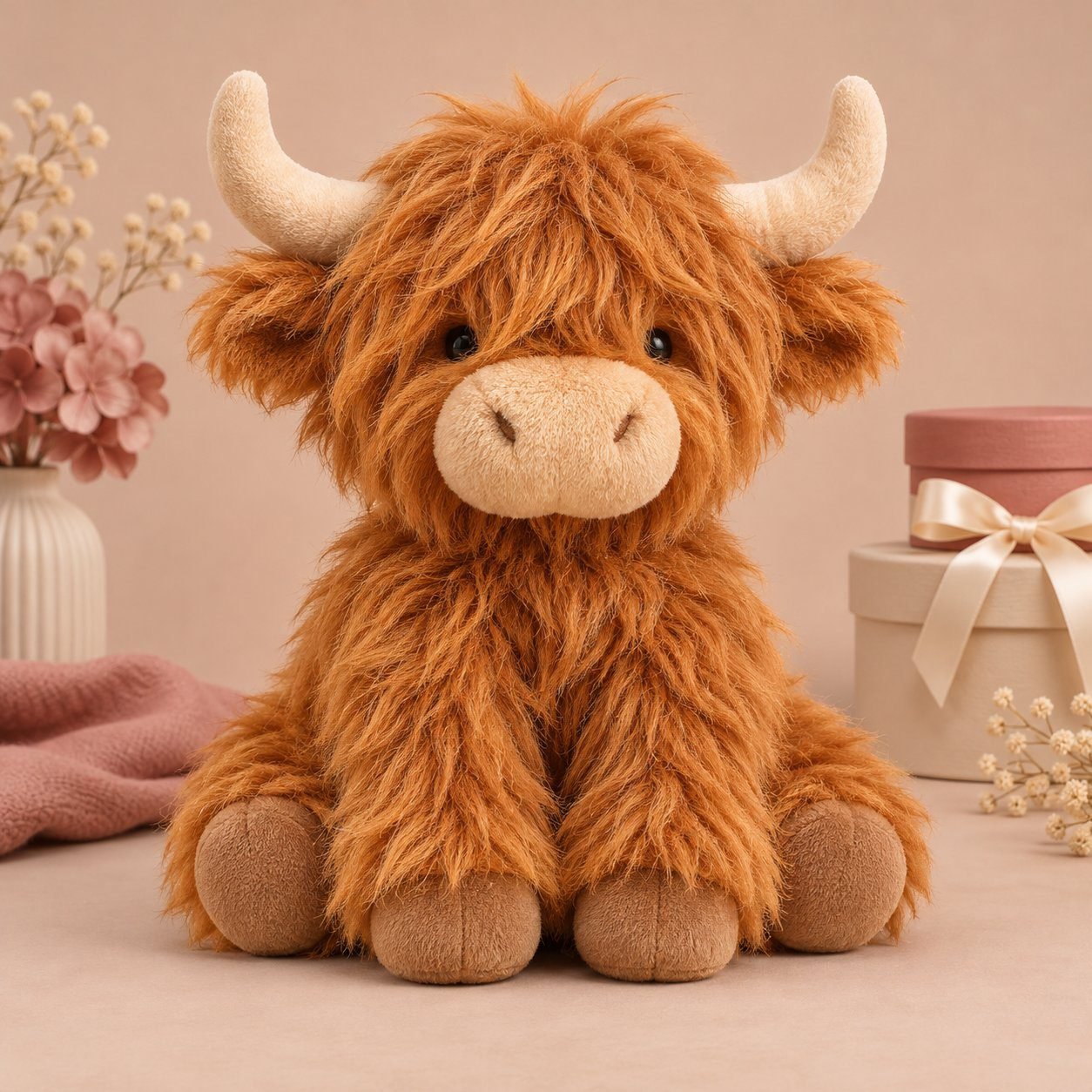
The Highland cow stands out through its long hair and recognizable horns. Plush versions range from small decorative animals to larger weighted designs. The animal creates the initial appeal, while the size, weight, and feel determine how the product will be used.
Realistic dogs and puppies
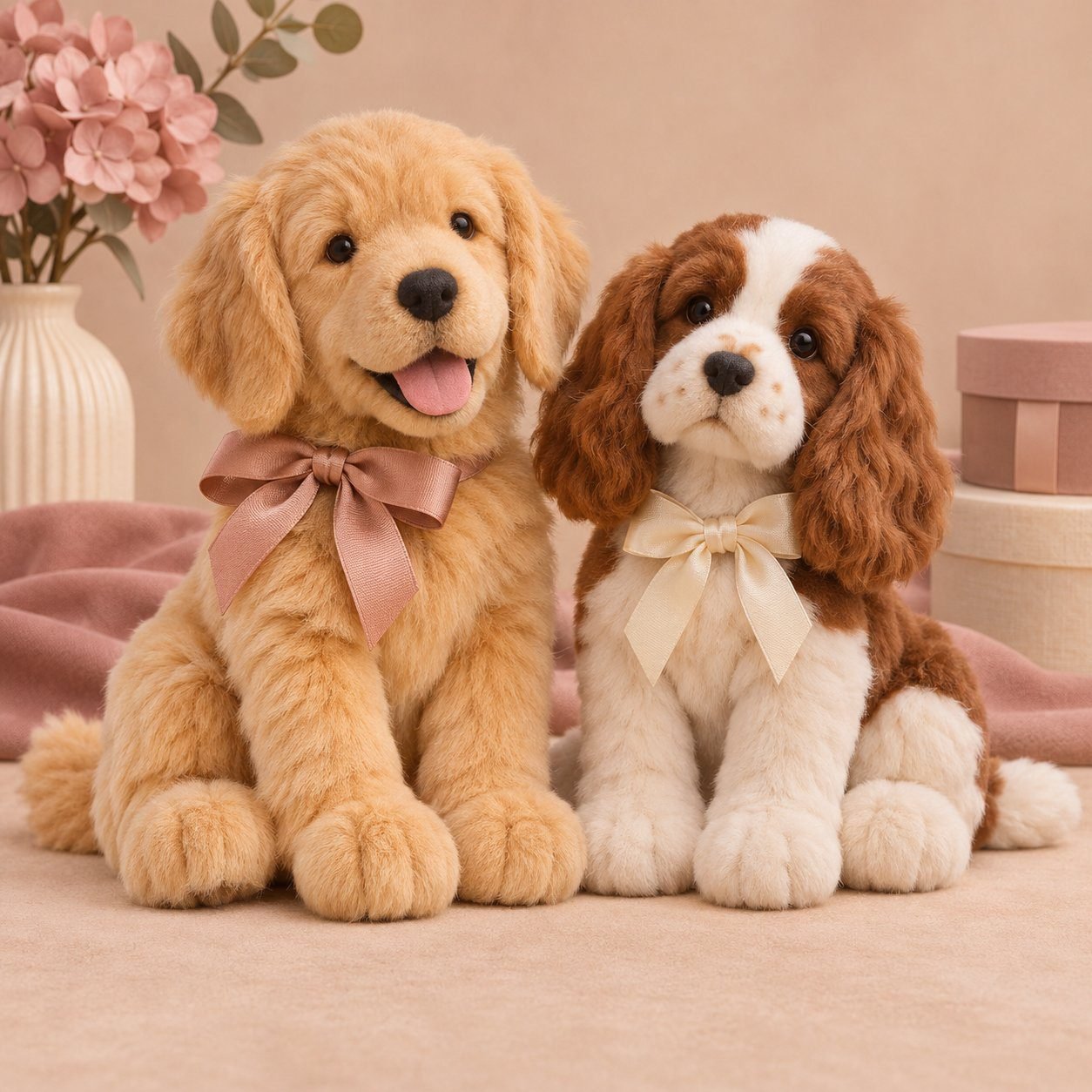
For many dog plush buyers, the breed is the starting point. Breed-specific products depend on details such as coat color, ears, face, and body position. A plush labeled as a golden retriever needs to look recognizable without the shopper reading the title.
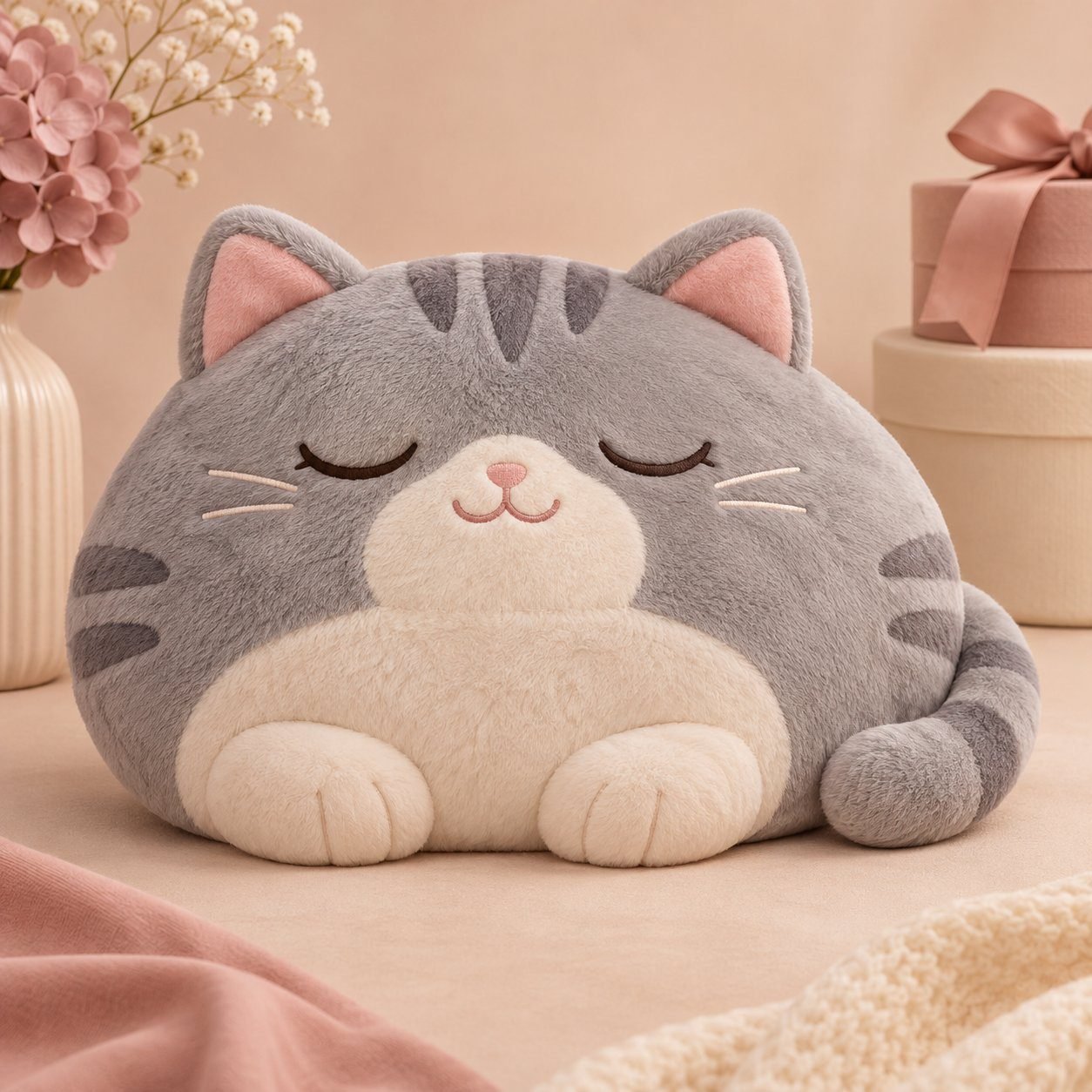
Cat plush and pillows
Cat plush products cover two distinct styles. Some resemble a real pet, while others use a round or stretched-out body designed more like a pillow. The pillow format gives the animal a second use as a bedroom accessory or something to hold while resting.
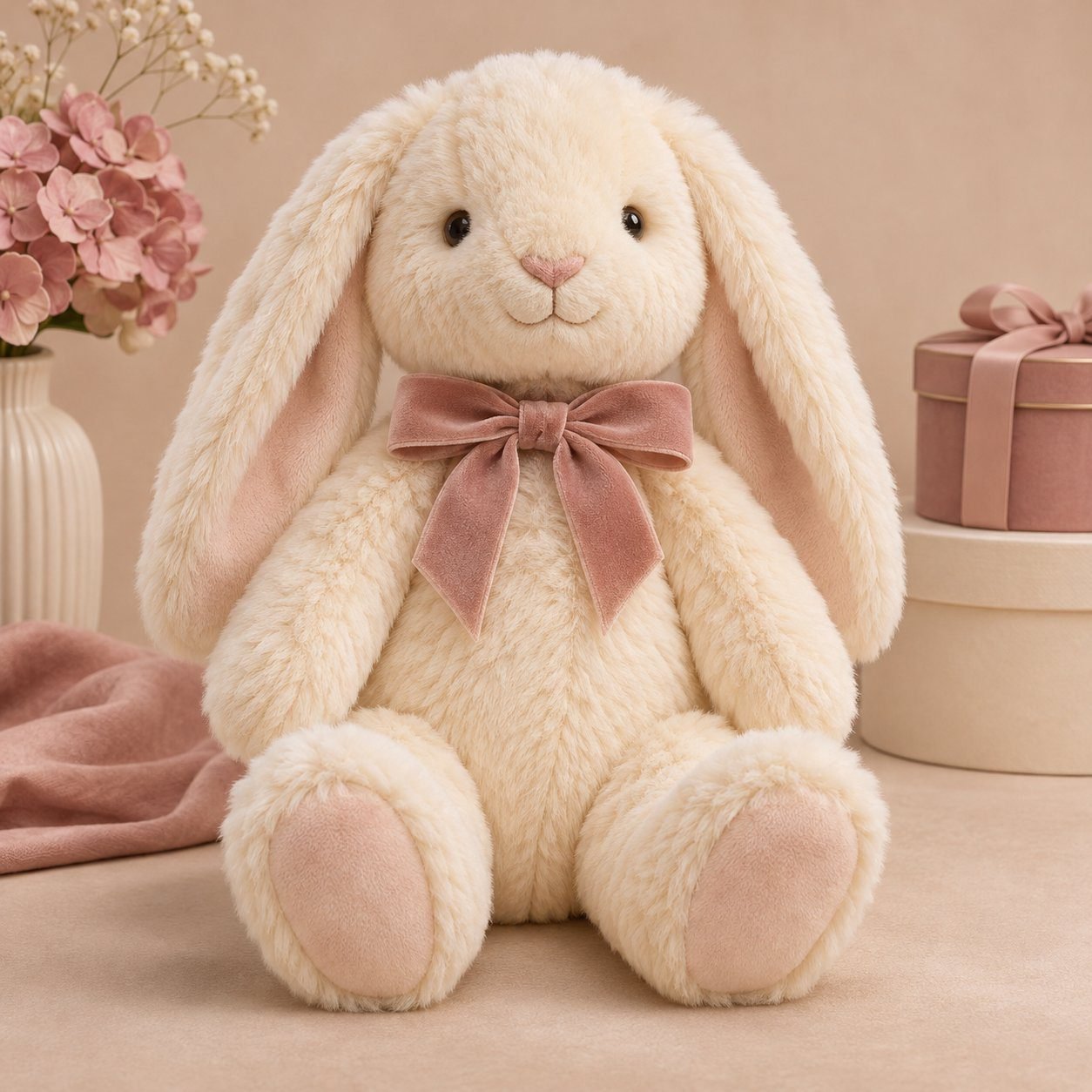
Bunny stuffed animals
Bunnies have a broad range of uses, from traditional children’s toys to spring gifts and weighted comfort products. Long ears and a recognizable face allow the design to work in both realistic and cartoon styles.
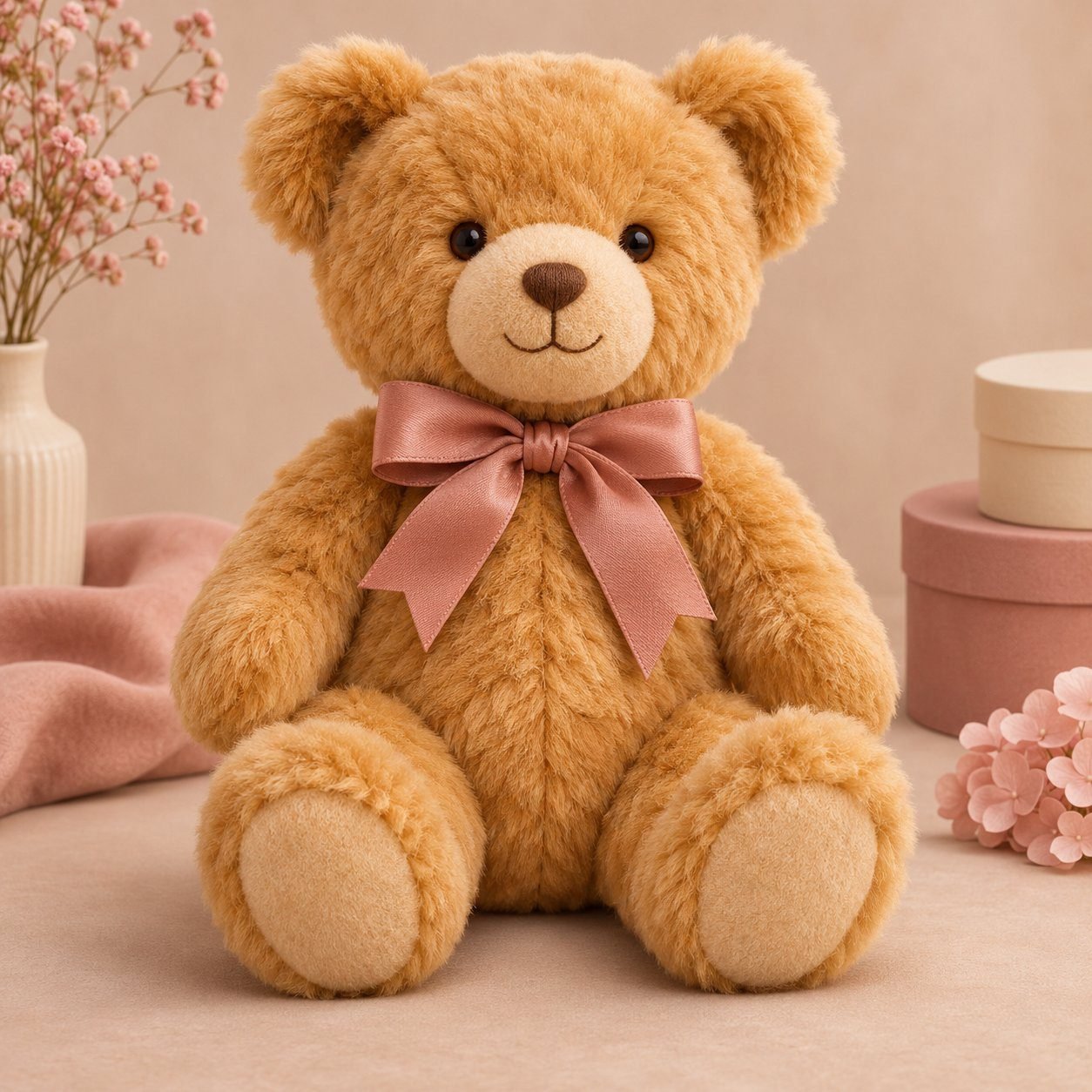
Classic teddy bears
The teddy bear remains one of the most flexible plush designs. It can be sold as a small children’s toy, a premium collectible, a personalized present, or a large gift. Fur texture, facial expression, proportions, and how the bear sits can make one teddy feel very different from another.
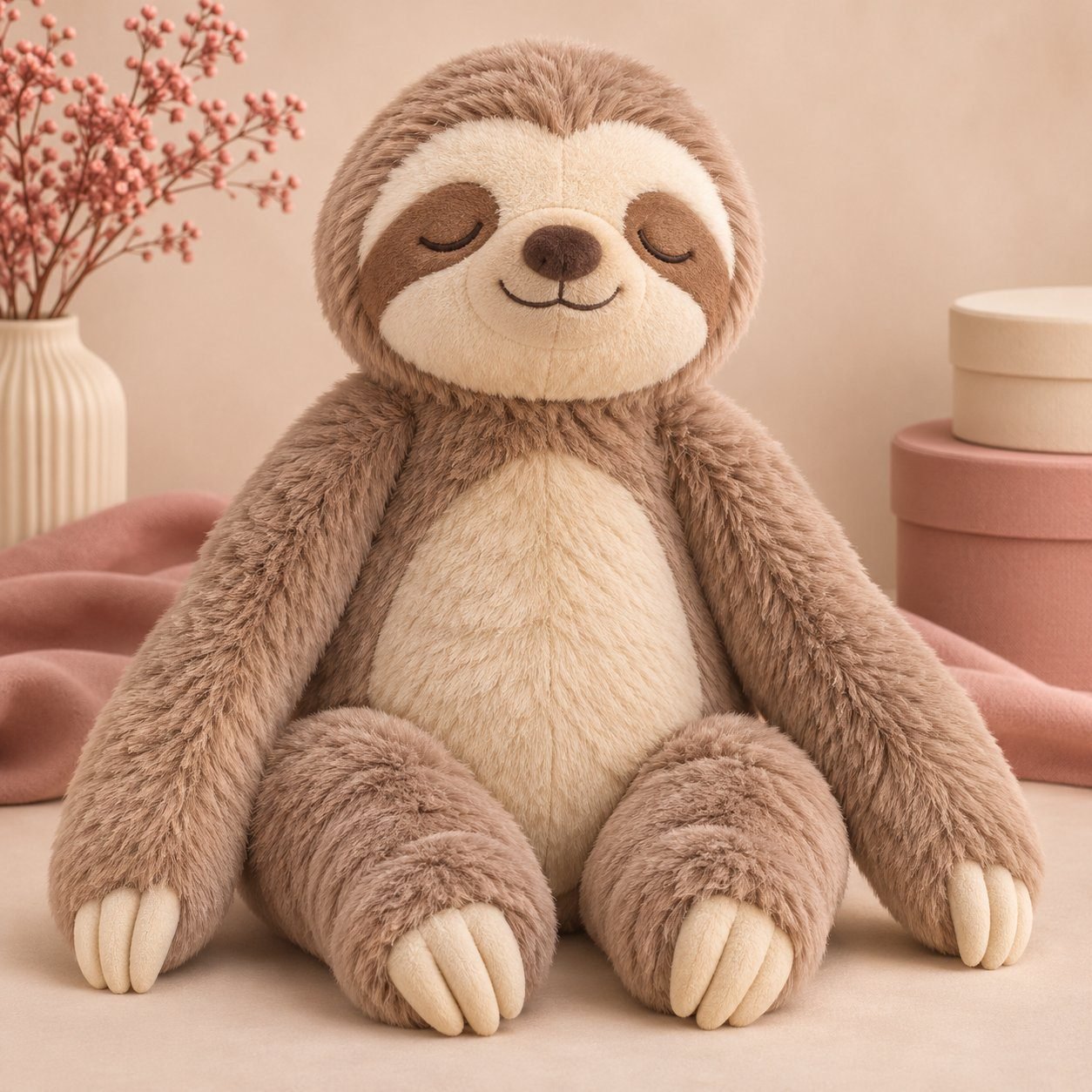
Sloth plush
A sloth’s long body and relaxed appearance work well for plush products designed to be held. Some versions remain simple stuffed animals, while others add weight or a removable heating component.
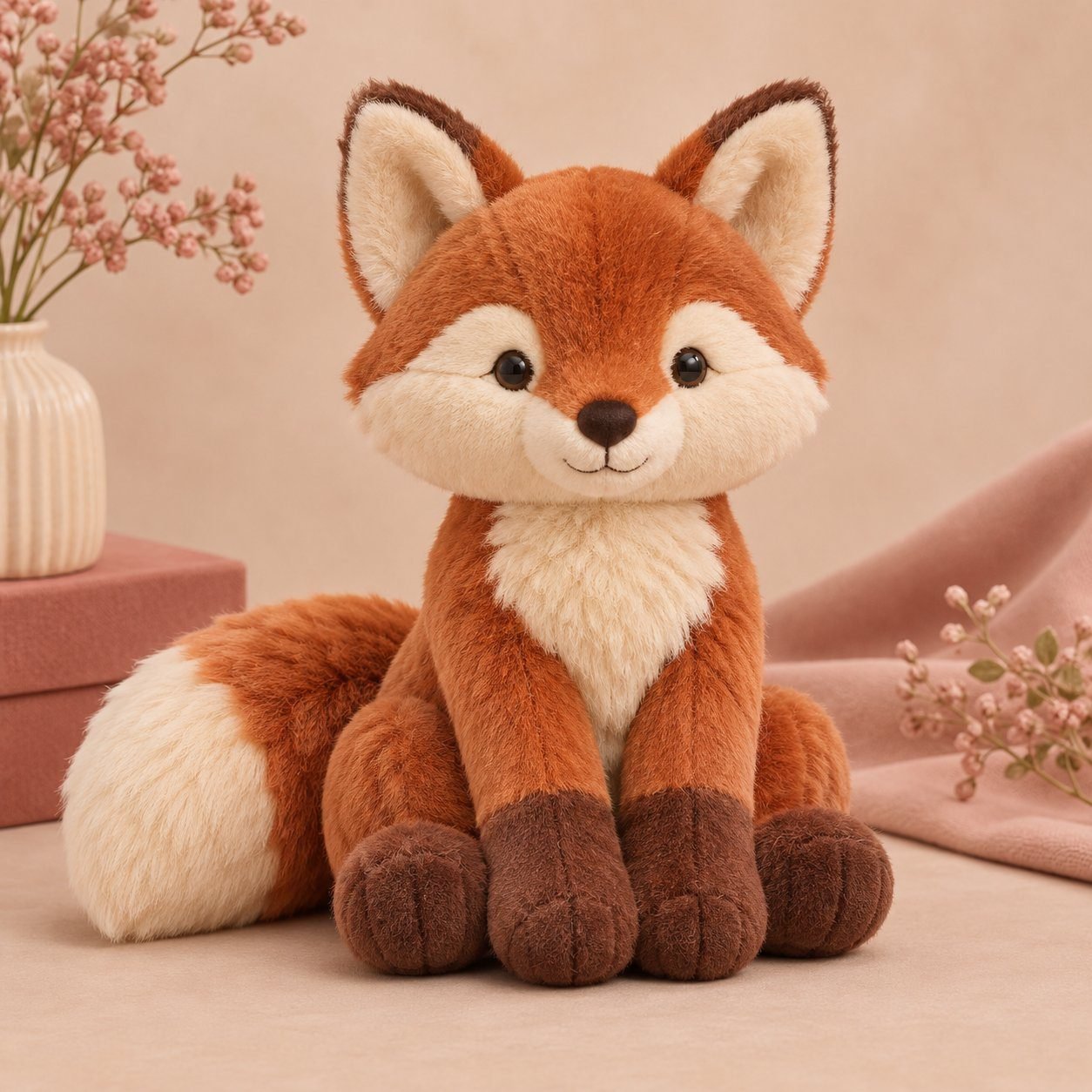
Fox and woodland animals
Foxes bring a different look to a collection of bears, cats, and dogs. Orange woodland foxes and white arctic foxes offer distinct appearances while remaining within the same animal group.
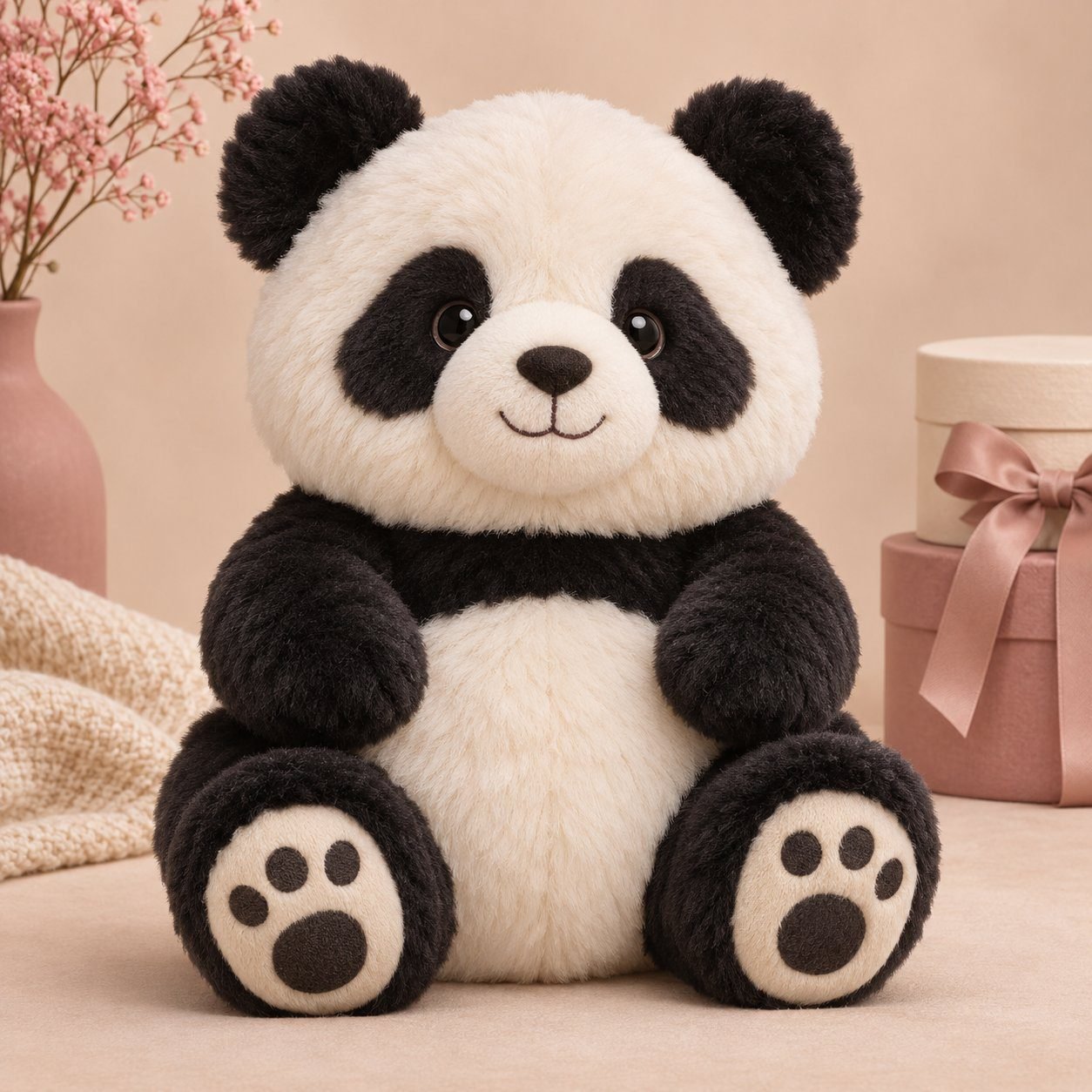
Panda plush
Pandas are recognizable in both realistic and cartoon forms. The black-and-white coloring carries across small collectibles, weighted plush, and large animal pillows.
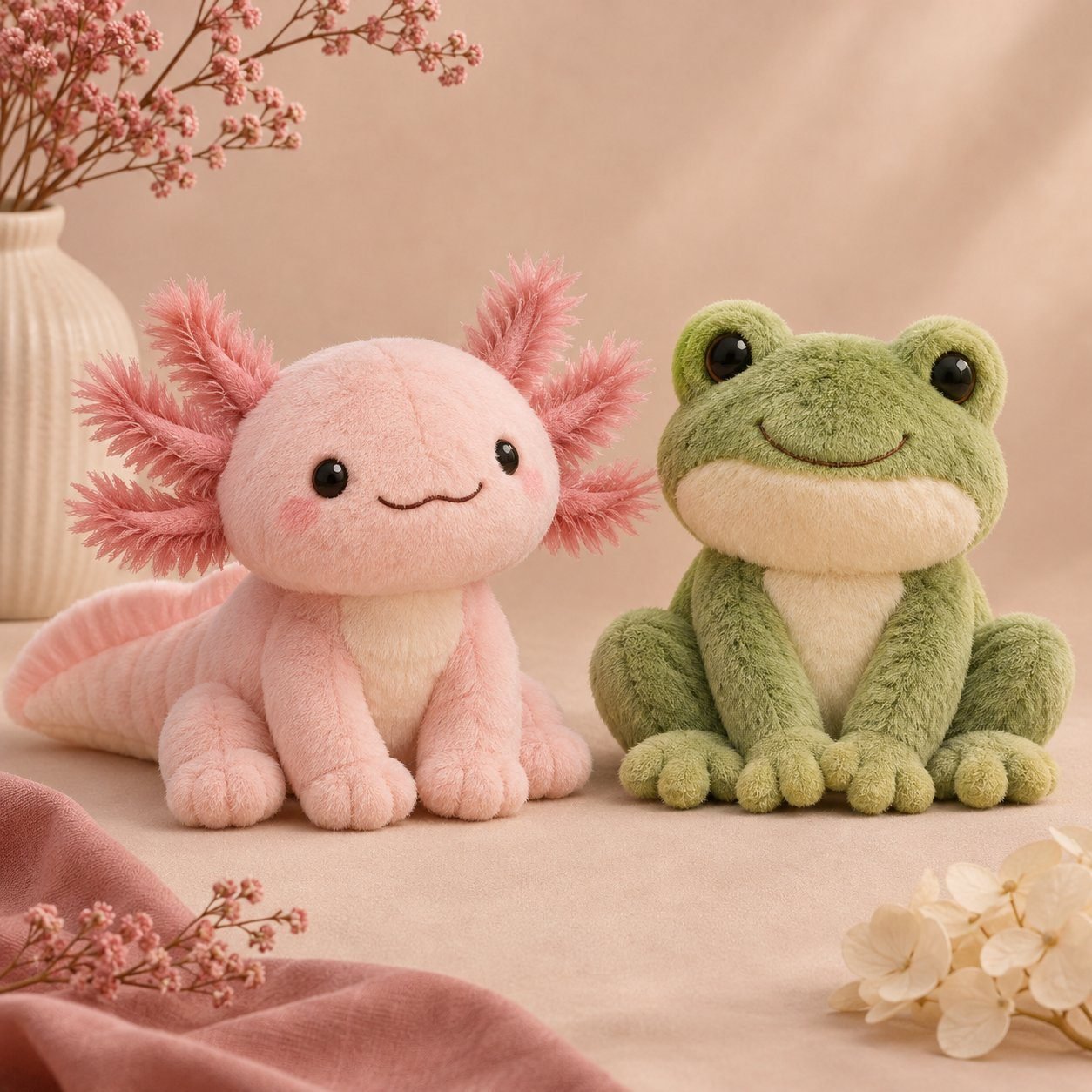
Axolotl and frog plush
Axolotls and frogs give buyers an alternative to more traditional stuffed animals. Their distinctive shapes work in compact plush sizes, keychains, and occasion-based gifts.
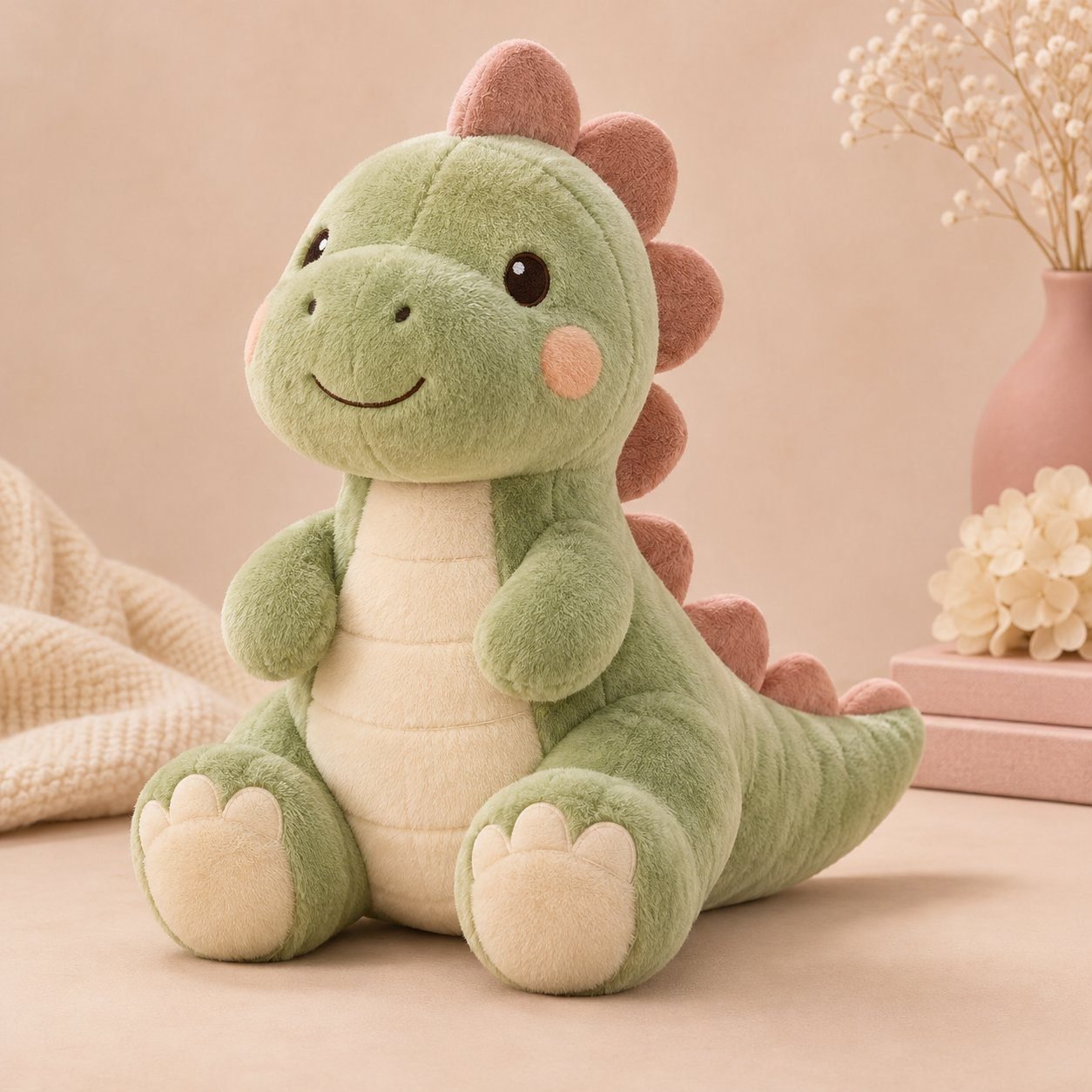
Dinosaur plush
Dinosaur plush products can lean toward a recognizable dinosaur shape or a softer, cartoon-style character. They are also sold in larger sets with baby dinosaurs and accessories.
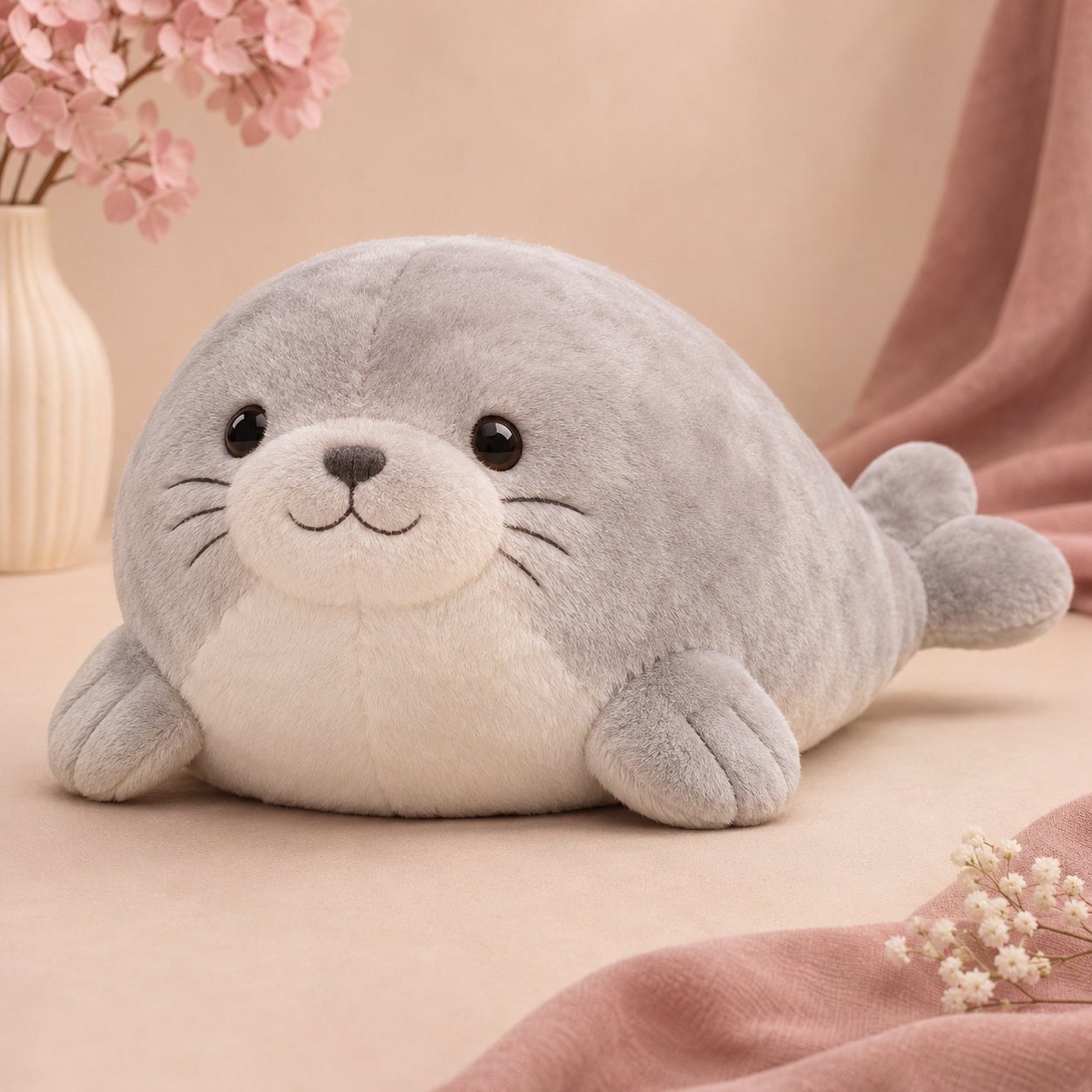
Seal and ocean animals
Seals, otters, turtles, and octopuses give the plush category a wider range of shapes. A round seal can function as a pillow, while a longer otter design may be chosen for holding or display.
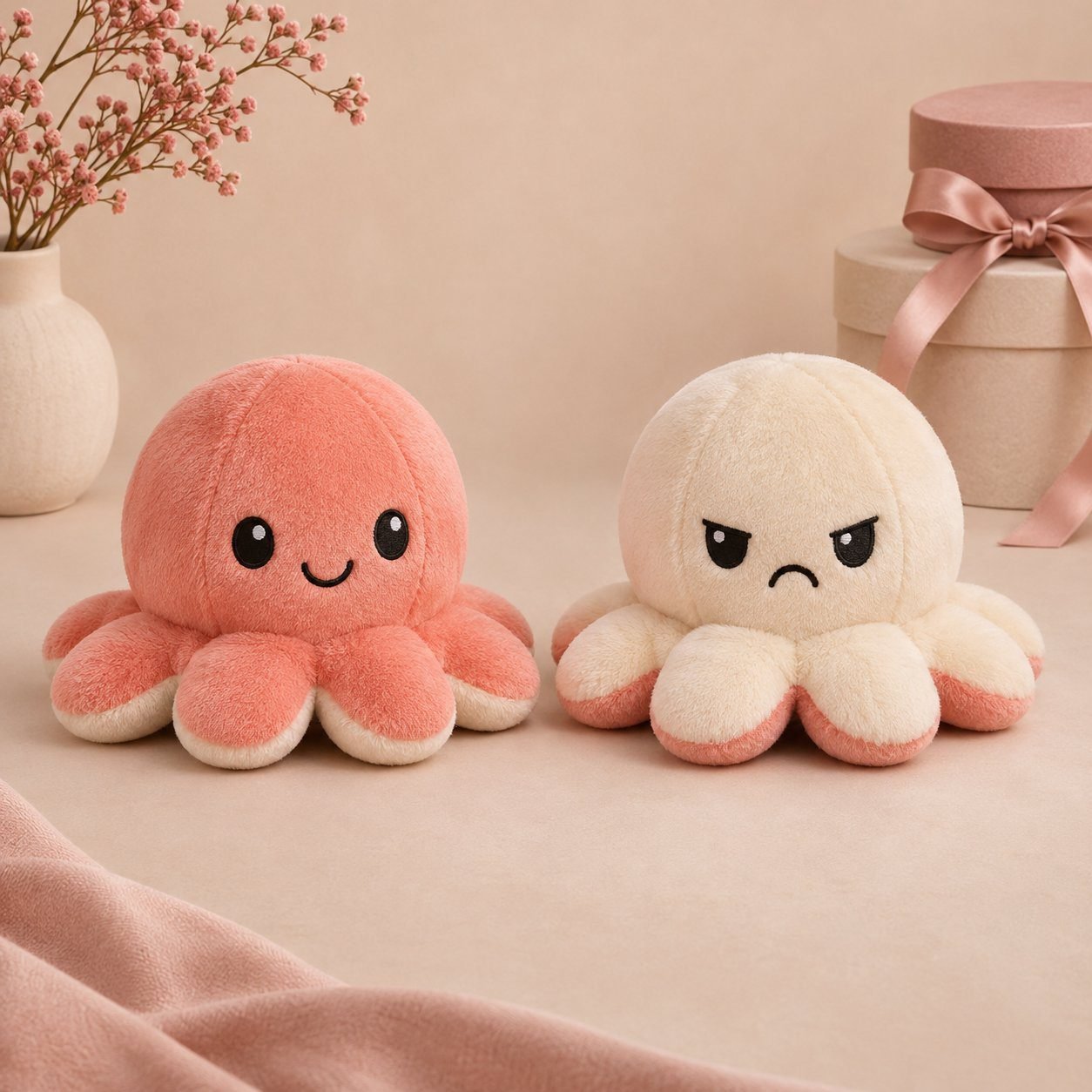
Reversible octopus plush
A reversible octopus offers two appearances in one small toy. Turning the plush inside out reveals the second side, making the change in expression or color part of the product experience.
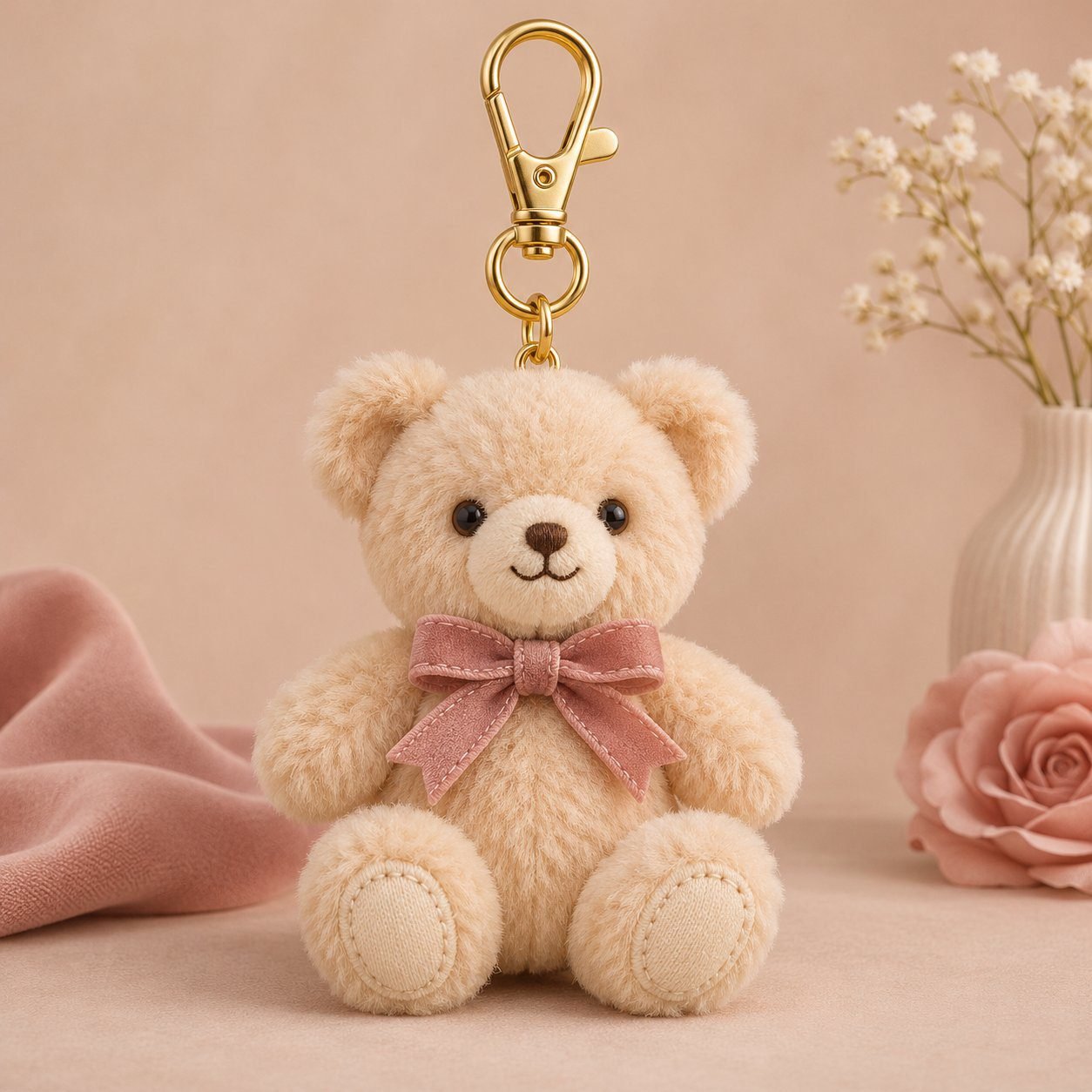
Mini plush keychains
A plush keychain turns an animal into something that can be carried on a backpack, handbag, or set of keys. For the buyer, the attachment is part of the product. The clip, connection to the plush, and actual size all matter when choosing a charm intended for regular use.
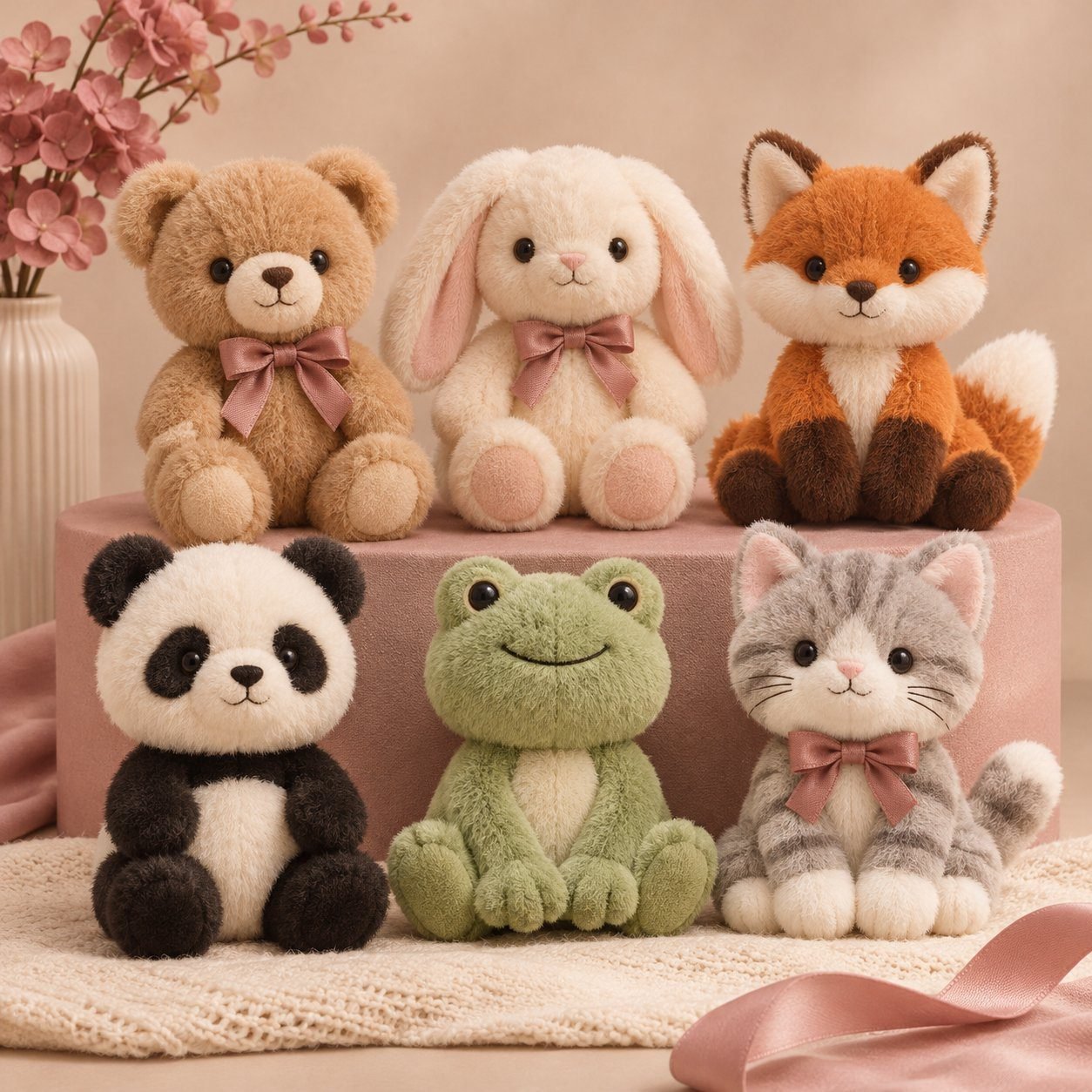
Assorted mini plush packs
A pack of small plush animals serves a different purpose from a single collectible keychain. A buyer may need enough pieces for party favors, classroom gifts, prizes, or a group event. Shoppers need to know how many animals are included, their approximate size, and whether the designs or colors vary.
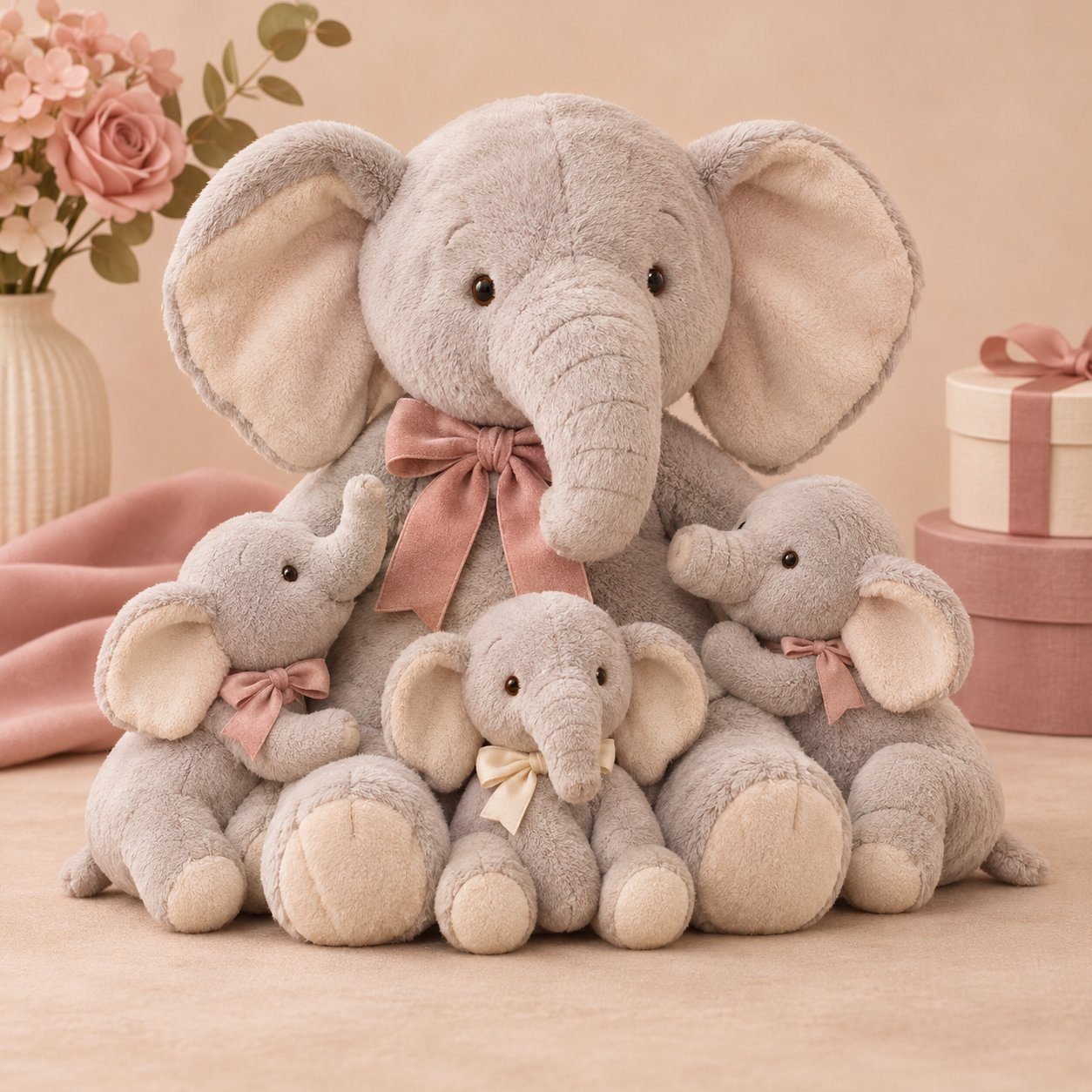
Parent-and-baby plush sets
Parent-and-baby sets combine a larger animal with several smaller ones. In some designs, the babies are stored inside the parent, adding a play element to the purchase.
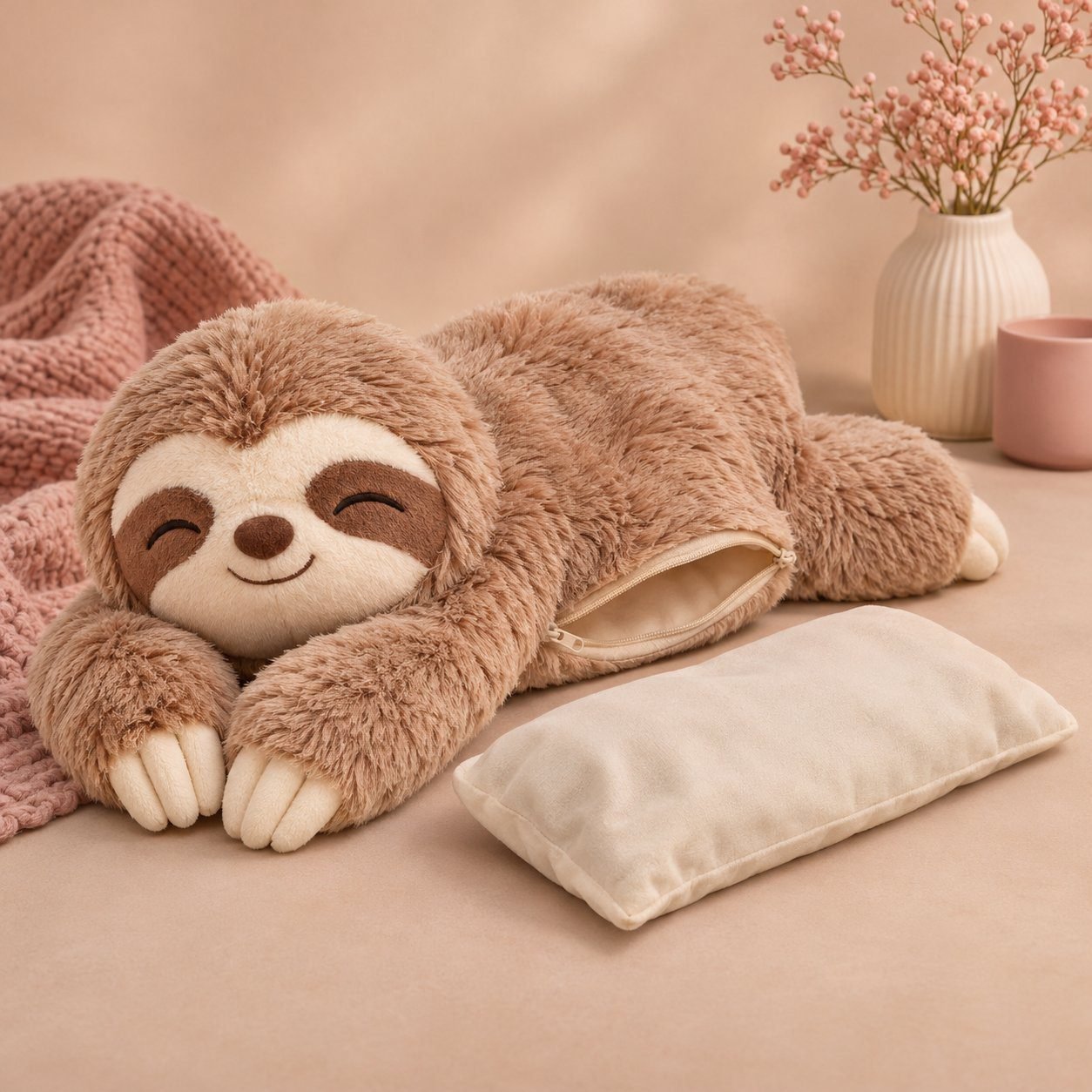
Weighted and heatable animals
Weighted and heatable products overlap with several animal groups in this report. A bunny, sloth, or Highland cow can be sold as a standard plush or with an added comfort feature. A weighted product has added weight, while a heatable product includes a component intended to be warmed. Some products offer both.
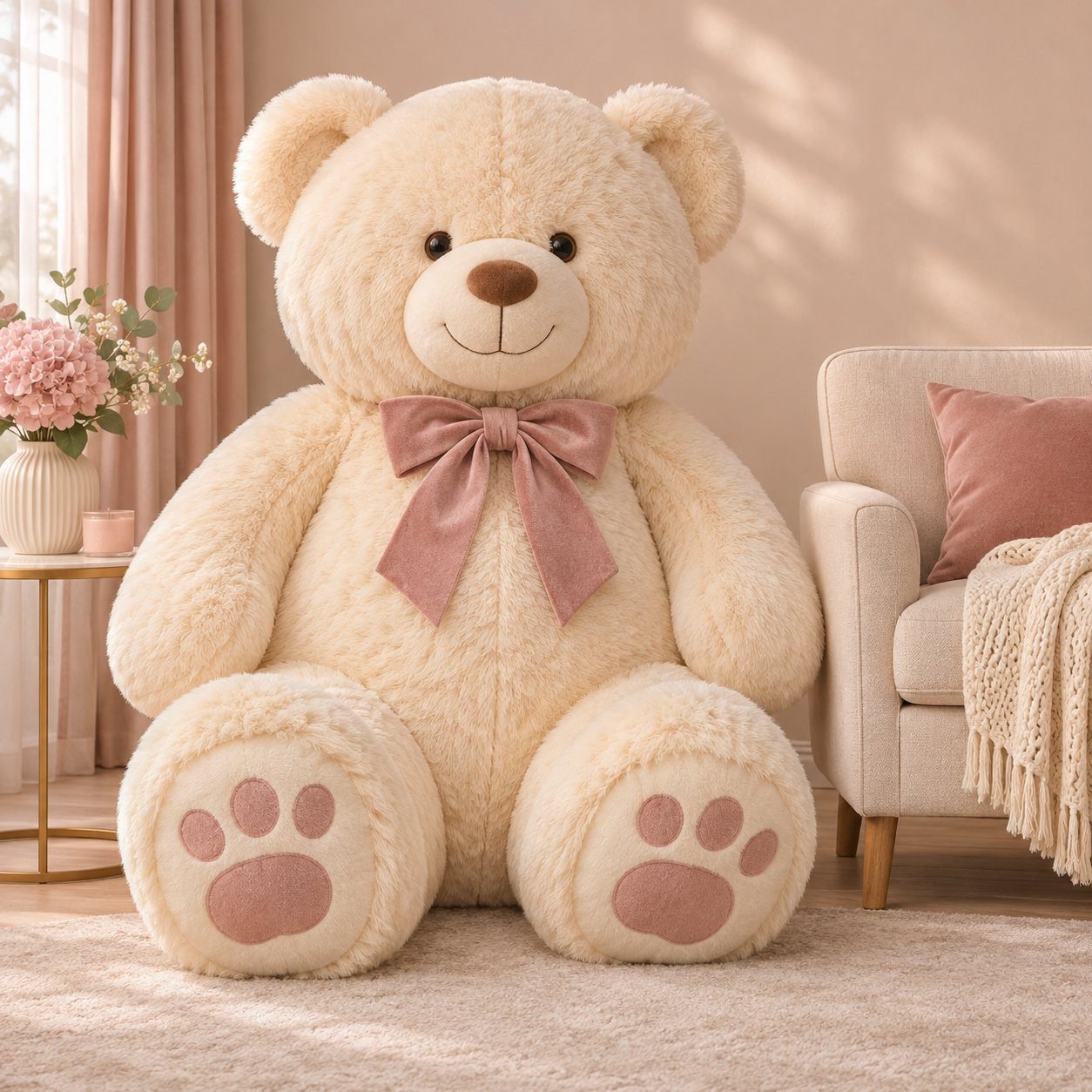
Giant stuffed animals
A giant plush is purchased partly for its size. A large bear, panda, or standing giraffe can be chosen as a major gift or a decorative piece. Product images should help buyers understand the animal’s proportions as well as its stated measurement.
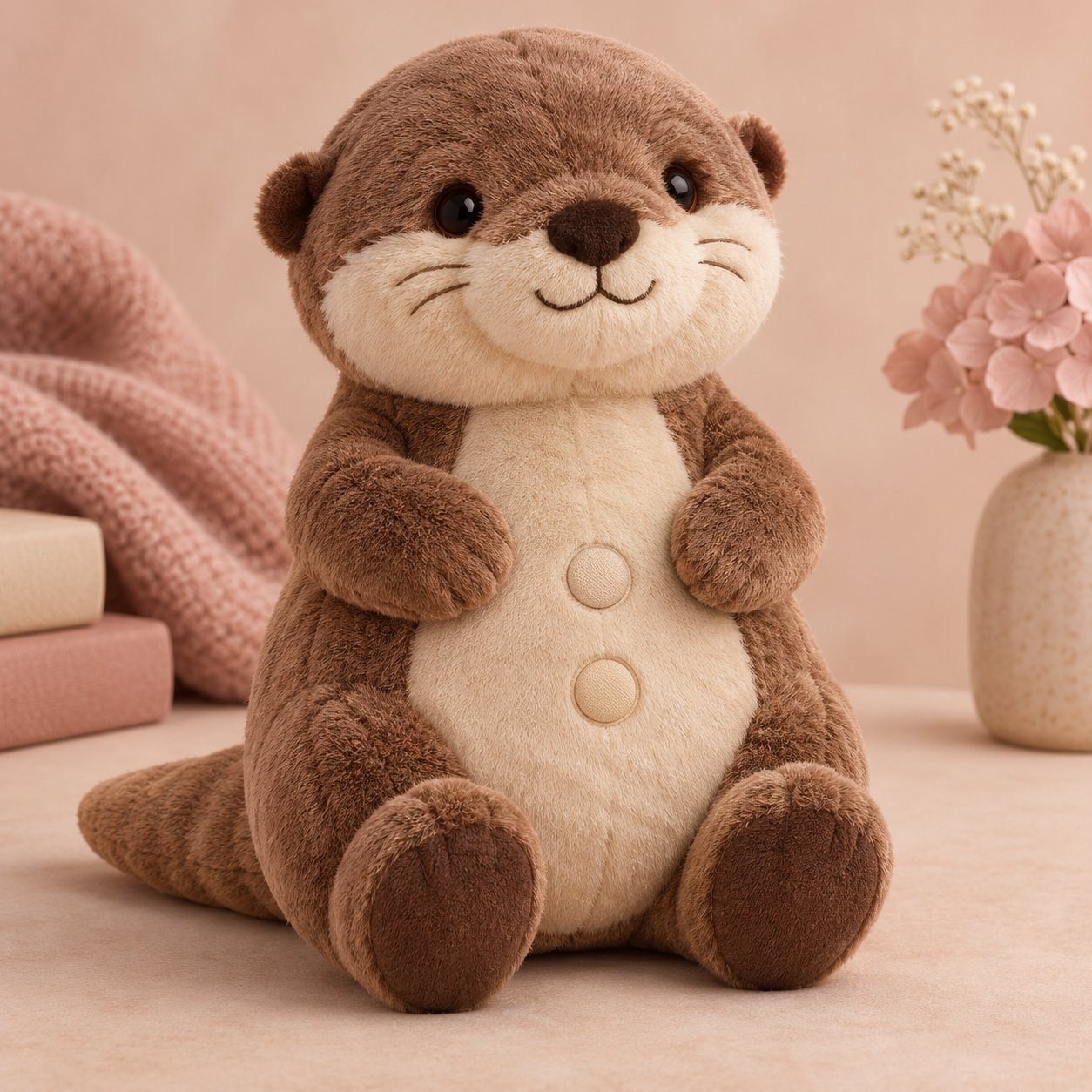
Interactive plush animals
Interactive plush animals add a feature such as talking, sound, or movement. This places them closer to an electronic toy than a conventional stuffed animal, even when the exterior is soft.
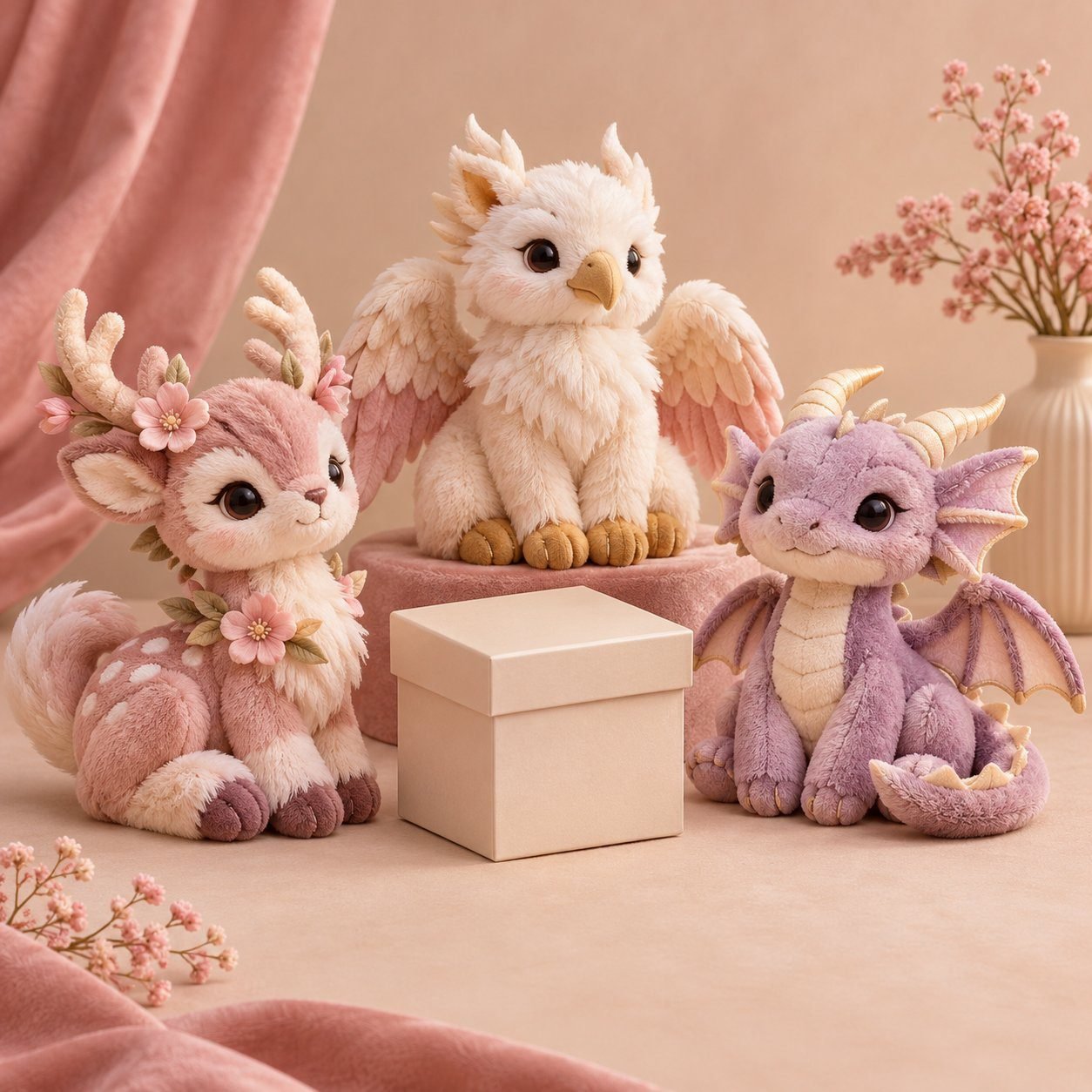
Licensed and blind-box plush
Licensed plush connects a toy to a character buyers already recognize. Blind-box packaging adds a separate element of surprise because the design is revealed after purchase.
Best-Selling Stuffed Animal Products on Amazon US
Amazon shoppers are buying more than traditional teddy bears. The listings with strong monthly purchase indicators include small character plush, realistic animals, plush pillows, interactive toys and animal-themed baby comfort products.
The table below brings these products together so sellers can compare their purchase indicators, prices, ratings and product formats in one place.
| # | Product / ASIN | Purchase badge | Price | Rating |
|---|---|---|---|---|
| 01 | Melissa & Doug Flip Fish Sensory plush · B00MYWGTGQ | 10K+bought in past month | $15.97 | 4.8 ★9,157 ratings |
| 02 | GUND PAW Patrol Skye Licensed character · B08FCRNDW9 | 9K+bought in past month | $4.99 | 4.8 ★11,272 ratings |
| 03 | Pro Goleem Elephant Baby security blanket · B07PGMVVC2 | 8K+bought in past month | $9.99 | 4.8 ★23,541 ratings |
| 04 | Fisher-Price Soothe ’n Snuggle Otter Interactive plush · B07N1JP56L | 5K+bought in past month | $34.24 | 4.7 ★59,456 ratings |
| 05 | Fuggler Baddies Munch Munch Collectible character · B0G22Z1NWS | 5K+bought in past month | $11.97 | 4.8 ★660 ratings |
| 06 | Mewaii Black Cat Cat plush pillow · B0D8KB7B85 | 4K+bought in past month | $18.99 | 4.4 ★2,436 ratings |
| 07 | Aurora Mini Flopsie Ginger Cat Small animal plush · B083FM3R87 | 3K+bought in past month | $9.25 | 4.8 ★75,942 ratings |
| 08 | KMUYSL Mommy Unicorn Parent-and-baby set · B09QFMZ5B2 | 3K+bought in past month | $29.99 | 4.7 ★2,939 ratings |
| 09 | GUND Hello Kitty Unicorn Licensed character · B0BYPQG4MS | 3K+bought in past month | $17.98 | 4.8 ★1,583 ratings |
| 10 | MerryXD Chubby Blob Seal Plush pillow · B082413MWQ | 2K+bought in past month | $11.99 | 4.5 ★15,524 ratings |
| 11 | Melissa & Doug Burrow Bunny Classic animal plush · B004N7NFSK | 2K+bought in past month | $18.54 | 4.7 ★20,983 ratings |
| 12 | GUND PAW Patrol Chase Licensed character · B08FCS4LMT | 2K+bought in past month | $9.99 | 4.8 ★5,072 ratings |
| 13 | Hopearl Floppy Elephant Animal plush · B095C16YDZ | 2K+bought in past month | $16.98 | 4.5 ★1,295 ratings |
| 14 | CHELEI2019 Swan Animal plush · B08YQN6FJ6 | 2K+bought in past month | $9.99 | 4.6 ★1,389 ratings |
| 15 | Bluey & Bingo Two-piece licensed set · B08GYCRTL4 | 2K+bought in past month | $15.99 | 4.8 ★17,602 ratings |
| 16 | Disney Baby Winnie the Pooh Licensed character · B004LYARXQ | 1K+bought in past month | $13.62 | 4.8 ★5,198 ratings |
| 17 | Aurora Loppy Giraffe Baby animal plush · B01BKUFDIW | 1K+bought in past month | $16.50 | 4.8 ★4,069 ratings |
Research accessed November 2, 2026. Purchase labels and prices come from cached listing and pricing records captured at different times. Amazon describes the purchase label as a broad estimate of recent customers, so it is useful for comparing demand but is not an exact unit-sales figure.
Stuffed Animal Brand and Competitive Landscape
The stuffed animal market includes companies built around very different strengths. Some compete through recognizable characters and collectible series. Others focus on realistic animals, premium gifts, interactive experiences or comfort features.
Squishmallows by Jazwares
Competes through a recognizable soft, rounded shape and named characters organized into themed collections. Its 8-inch assortment was the top-selling plush item in the United States in Circana’s 2025 retail tracking. Source ↗
Jellycat
Focuses on distinctive animal and object designs, with a strong position in premium plush gifts and collections.
POP MART
Competes in character collectibles through vinyl-faced plush, pendants, collaborations and blind-box series. Its plush revenue increased 60% in the first half of 2026 compared with the same period in 2025. Its later third-quarter update reported a 45% to 50% decline in total group revenue year over year. Source ↗
Build-A-Bear Workshop
Adds a purchase experience to the plush itself. Customers can choose an animal and personalize it with clothing, sounds and accessories. It had 674 experience locations worldwide at the end of its second quarter of fiscal 2026, including company-managed, partner-operated and franchise locations. Source ↗
Aurora World
Covers several parts of the market, from small realistic-style animals to named collectible characters and recycled-material collections. Source ↗
GUND
Combines its own animal plush collections with recognizable entertainment characters. Source ↗
Ty
Uses recurring collectible characters, distinctive designs and the recognizable heart-shaped Ty tag. Source ↗
Wild Republic
Focuses on wildlife-themed plush, with collections covering familiar and less common animal species. Source ↗
Warmies
Competes with plush designed to be heated or chilled, adding warmth and lavender scent to the animal design. Source ↗
Stuffed Animal Pricing Analysis
The average price increases as the product moves from a small plush to a larger or weighted design. For sellers planning their own online store or a retail offer, these averages provide a starting point for pricing each product type.
D2C and retail
Online marketplaces
Each figure is the unweighted average of five comparable US product prices. Weighted products vary in size.
Small plush
With a marketplace average of $11.44, a small plush needs a low enough product and fulfillment cost to leave room for fees and advertising. This category can suit a compact design, but the lower selling price leaves less room for expensive packaging or high acquisition costs.
Standard plush
The $17.79 average provides a higher selling-price reference than small plush. Sellers should weigh that extra revenue against the additional manufacturing, shipping, and storage costs of a larger product.
Weighted plush
The $28.06 average is $10.27 higher than the standard plush average. To earn a higher contribution per unit at these sample prices, the weighted product’s additional product, fulfillment, fee, and advertising costs would need to stay below that difference.
What Customer Reviews Reveal About Stuffed Animals
Customer reviews reveal details that are easy to miss when choosing a plush product: how large it feels in person, how it arrives, and where its weight sits. The examples below come from products that displayed 1K+ monthly purchase badges.
Size can look different in a photograph
A buyer of a 13-inch plush cat said it was smaller than expected, while a buyer of a small plush pillow wished they had chosen the larger version. For sellers, the important detail is how the measurement is taken. A 13-inch length does not tell a buyer how tall or wide the plush will feel. Show the finished product beside a familiar object and include its length, width, and height.
Compressed packaging affects the first impression
Reviews of two plush pillows describe products arriving flat in compressed packaging and becoming fuller after opening. One buyer was initially concerned by the appearance.
Where the weight sits changes the product
One buyer appreciated a weighted plush with filling distributed across the body and limbs because the weight stayed in separate sections. Another liked a weighted base that helped a plush sit upright. Show buyers the total weight and where it is positioned.
Seams deserve attention on weighted products
A buyer who liked the size and feel of a weighted plush also noticed a small tear along a facial seam. When assessing samples, inspect the seams around the face, limbs, and filling compartments while the plush is filled to its finished weight.
A clip changes how a small plush is used
One buyer valued a plush keyring because it could be carried on a bag instead of sitting on a shelf.
Where Can a New Plush Product Stand Out?
A recognizable animal can attract attention, but the product still needs a reason for someone to choose it. The strongest differences are visible in the finished item and relevant to how the buyer plans to use it.
Make a Weighted Plush Easier to Clean
A removable weighted insert can allow the outer plush to be washed separately. Develop a weighted animal with a washable outer body and a securely enclosed removable insert. The insert, closure, and extra assembly add to the product cost. Test the complete design and its care instructions before offering it.
Choose a Clear Scent Direction
Warmable plush is available in both lavender-scented and unscented versions. Choose either an unscented plush or a clearly identified scent for the first release. Each scent option can require separate inventory. The filling and heating instructions also need to match the finished product.
Turn an Animal Family Into a Play Set
A parent plush with smaller animals inside gives the buyer several pieces that work together. Create one parent animal with three or four smaller animals stored inside it. Calculate the cost of the complete set, including every small plush and the parent’s opening.
Create a Gift for Pet Owners
Start with one recognizable pet design and offer a choice of coat patterns. An optional embroidered name can make it a more personal gift. Coat options require separate inventory, while embroidery adds order-specific handling.
Where Stuffed Animals Are Sold
The right sales channel depends on the product as well as its price.
Online marketplaces
Marketplace shoppers can compare similar products, prices, delivery, and customer feedback in one place. A seller choosing this channel needs a product that can compete with the alternatives shown for the same search.
Direct-to-consumer sales
Selling directly gives a brand more control over customization and presentation. It also makes the brand responsible for bringing customers to its store and fulfilling their orders.
Retail and wholesale
Giftable plush, collectible displays, and products whose fabric or appearance benefits from being seen in person. A retail buyer needs a price that leaves room for the store’s margin.
Social commerce
Short videos and live demonstrations let shoppers see the feature before ordering, and some social-commerce channels allow the purchase to happen within the same app. Video views can show interest, but completed orders are the more useful measure when deciding whether to reorder inventory.
At the sampled standard retail price of $22.64, a retailer targeting a 50% gross margin would purchase at $11.32. That is an illustration of the wholesale relationship, before the seller’s own costs.
Product Development and Sourcing Considerations
A small plush animal, a weighted plush and a multi-piece set each require a different production plan. Before contacting suppliers, decide which features are essential to the product and how many versions you want to launch.
Published minimum orders from five custom plush suppliers range from 100 to 1,200 pieces. Some suppliers apply their minimum to each design, color or size, rather than to the combined order.
| Product | Agree on these details |
|---|---|
| Small animal | Finished height and measurement method, fabric, filling, facial features and packaging. |
| Weighted plush | Total finished weight, filling type and placement, removable insert and packaged weight. |
| Animal family set | Number and size of pieces, attachment or pouch, packaging and minimum per complete set. |
| Personalized plush | Who adds each name or detail, where the work happens and how it affects order processing. |
At a 300-piece minimum per design, three animals could require an initial order of 900 units.
Compare equivalent quotes
Ask four or five suppliers to quote the same design, quantity, packaging and delivery terms. Request separate costs for the product, sample, packaging and shipping, and ask which duties or other charges are included.
Approve a physical sample
Published estimates for an initial plush prototype range from approximately one to four weeks among the suppliers reviewed. Revisions, production and shipping require additional time. Before approving the order, review a physical sample made with the intended fabric, filling, facial features and packaging. Example timelines ↗
Agree on design rights
Confirm rights to the artwork and production pattern in writing, including whether another factory can manufacture it later.
Profitability, Fulfillment, and Product Safety
The selling price of a plush product is only one part of the decision. Its packaged dimensions, weight, advertising cost and testing expenses all affect how much a seller keeps.
Both examples assume an Amazon US sale in Toys and Games. FBA estimates use the October 15, 2026 to January 14, 2027 peak rates, including the 3.5% fuel and logistics surcharge.
| Per-unit comparison | Standard plush | Weighted plush |
|---|---|---|
| Selling price | $17.79 | $28.06 |
| Packaged dimensions | 12 × 8 × 3 in | 14 × 8 × 5 in |
| Actual packaged weight | 0.75 lb | 3.00 lb |
| Dimensional weight | 2.07 lb | 4.03 lb |
| Landed product cost | $4.25 | $8.00 |
| Amazon referral fee | $2.67 | $4.21 |
| FBA fulfillment fee | $6.51 | $8.19 |
| Advertising cost per unit sold | $2.00 | $3.80 |
| Contribution per unit | $2.36 | $3.86 |
| Contribution margin | 13.3% | 13.8% |
Product costs, advertising, dimensions and weights are hypothetical. Landed cost includes the assumed product, packaging, freight, duties and delivery to Amazon. Advertising is averaged across all units sold. Storage, returns, testing, any inbound placement fees, overhead and income taxes are excluded. Sources: referral fees and FBA fulfillment rates.
For large standard-size products, Amazon uses the greater of actual weight or dimensional weight to calculate fulfillment fees. Dimensional weight is calculated as length × width × height in inches ÷ 139. The standard plush above weighs only 0.75 lb, but its package produces a dimensional weight of 2.07 lb. If its approved packaging reduced the height from 3 inches to 2 inches, its dimensional weight would fall to 1.38 lb. Under the same peak fee schedule, the estimated FBA fee would fall from $6.51 to $5.93, saving $0.58 per unit. The product still needs to retain its intended shape and appearance after unpacking.
Build safety into the plan.
US requirements depend on the product, materials and intended age. Children’s toys require particular attention before production.
Testing and CPC
Plush toys intended primarily for children 12 and under generally need testing by a CPSC-accepted laboratory to applicable requirements, including ASTM F963-23. The US importer or domestic manufacturer issues a Children’s Product Certificate based on passing results.
Tracking information
Children’s products need permanent identifying information on the product and packaging, where practicable, including production details.
Import filing
For most regulated imports, certificate data must be filed electronically with US Customs under the eFiling requirements effective July 8, 2026. A customs broker can file using the importer’s information.
Amazon verification
Affected children’s toy listings require annual verification through an Amazon-approved testing, inspection and certification provider. The provider may review existing documents or conduct new testing.
If a lab quotes $600 and that cost is allocated across 300 units, it adds $2 per unit. In the standard-plush example, that leaves $0.36 per unit before other excluded expenses.
Sources: CPSC toy safety guidance, tracking labels, certificate eFiling, and Amazon verification.
Opportunities and Risks by Product Type
The best product choice depends on more than demand. A small plush may be easier to ship but have less room for advertising, while a weighted plush can sell for more but costs more to fulfill.
Small animal plush
$11.44The sampled 5–8-inch products averaged $11.44. Selected animal plush listings show 1K+ and 2K+ bought in the past month. The lower selling price leaves fewer dollars to cover product, fulfillment and advertising costs.
Plush bag charms
1K+ to 3K+Selected retail animal charms show 1K+ to 3K+ bought in the past month. A single fashion charm and a multipack of party favors serve different buyers. Compare single charms with single charms, and party packs with packs of a similar size.
Weighted and warmable plush
$28.06Weighted products averaged $28.06 in the pricing sample. The higher price must cover the added filling, packaged weight and fulfillment cost. Warmable or removable inserts also introduce additional design and safety considerations.
Animal family and multi-piece sets
1K+ and 3K+Selected sets of plush animals show 1K+ and 3K+ bought in the past month. A purchase badge for a set reflects purchases of the complete set. Cost every animal and the full package together when comparing it with a single plush product.
Licensed character plush
3K+ and 6K+Selected licensed character products show 3K+ and 6K+ bought in the past month across marketplaces. Buyers may be purchasing for the character as much as the plush itself. Selling the protected character also requires the appropriate rights.
At the sampled $11.44 price for a small plush, an assumed $2 in advertising per unit sold represents 17.5% of the selling price. At the weighted-plush sample average of $28.06, the same $2 represents 7.1%.
A weighted bear recall covered approximately 36,000 US units because a zipper slider on its pouch could detach and pose a choking hazard. Assess the closure and insert as part of safety testing for a children’s product. CPSC recall details
Purchase badges are examples from individual listings, not category totals. Sources: retail charms, animal set, and licensed plush.
Market Outlook
The plush market is heading into 2027 with new licensed collections already planned, an established audience beyond households with children, and shoppers paying close attention to price.
Plush launches planned for 2027
A new Sonic the Hedgehog 4 toy range will include plush ahead of the film’s scheduled March release. Source ↗
Jazwares plans to introduce a new UGLYDOLL collection, including plush and collectibles. Source ↗
For designs tied to a movie or short-lived trend, agree on reorder quantities and lead times with the supplier before placing a large order. Keep that forecast separate from products with an established sales history outside the event.
Adult-only households accounted for 55% of total US toy sales in the first half of 2026. That figure covers all toys, and those households may also buy gifts for children. Source ↗
Share of surveyed US consumers who expected to use money-saving strategies during the 2026 holiday season. Calculate margin at a promotional price before ordering. Source ↗